A solar system usually looks simple from the ground – panels on the roof, an inverter on the wall, lower power bills over time. But how solar installations work is a practical question, especially if you are weighing up costs, site constraints, battery storage and expected savings. The answer is not just about equipment. It is about designing the right system for the way your home or business actually uses energy.
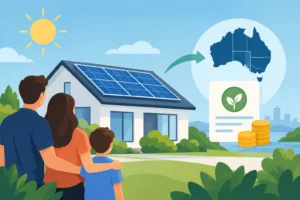
For Australian property owners, that matters because two sites with the same roof size can deliver very different results. Tariffs, network rules, daytime usage, shading, switchboard condition and future plans such as EV charging all affect performance and payback. A well-installed solar system is not just fitted to a roof. It is matched to your load profile, budget and long-term energy goals.
What solar installations work around
At its core, a solar installation converts sunlight into usable electricity. Solar panels generate direct current electricity, known as DC power. Your inverter then converts that electricity into alternating current, or AC power, which your lights, appliances, plant and equipment can use.
That electricity is consumed first by your property in real time. If the system is producing more than you need at that moment, the excess can be exported to the grid, subject to your network connection rules and retailer arrangements. If you have a battery, some of that surplus may be stored instead of exported, so it can be used later when solar production drops.
This is why system design matters more than many buyers first realise. A household that uses most of its electricity in the evening may get stronger results from adding battery storage, changing usage patterns or choosing a different system size. A business with strong daytime demand may get excellent value from solar alone because it can consume more of its own generation on site.
The main parts of a solar installation
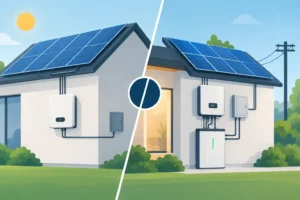
Panels do the generating, but they are only one part of the system. The inverter is just as critical because it manages conversion and system performance. Depending on the design, you may have a string inverter, microinverters or a hybrid inverter if battery storage is included or planned.
The mounting system secures panels to the roof or ground structure and must suit the site conditions. In Australia, that means considering wind regions, roof material, pitch and overall structural condition. Cabling, isolators, protection devices and switchboard integration also form part of the installation. If any one of these elements is poorly specified or installed, system reliability can suffer.
For battery-ready or battery-backed systems, storage equipment adds another layer of planning. Battery size, discharge capability, backup requirements and tariff strategy all need to be assessed early. The right battery setup for a family home is different from what a commercial operator might need for demand reduction or resilience.
How solar installations work from quote to commissioning
The process starts with an assessment of your property and energy usage. That usually includes reviewing recent electricity bills, roof orientation, shading, available space and switchboard setup. For commercial and industrial sites, interval data, operating hours and equipment loads can also shape the design.
The next step is system sizing. Bigger is not always better. If export limits are low and daytime usage is modest, oversizing a system may not deliver the return you expect. On the other hand, undersizing can leave savings on the table, particularly for businesses with steady daytime consumption. Good design finds the balance between generation potential, budget, incentives and actual site demand.
Once the design is agreed, approvals are arranged. This can include distributor connection applications, product compliance checks and the paperwork tied to available incentives. In Australia, these details vary by state, network and system type. It is one of the reasons customers benefit from an installer that understands both the technical side and the administrative side.
Installation day is usually more straightforward than many people expect. Panels are mounted, wiring is run, inverter equipment is installed, and the system is integrated with the switchboard. After that comes testing and commissioning. The system is checked for safety, performance and compliance before it is switched on and configured for monitoring.
Why site conditions change the outcome
When people ask how solar installations work, they often mean how well they will work on their specific property. That depends heavily on site conditions.
Roof orientation affects generation throughout the day. North-facing panels generally deliver strong all-day production in Australia, but east- and west-facing arrays can still perform very well, especially when the aim is to match morning or afternoon energy use. South-facing panels are more situational and need careful assessment to determine whether they stack up financially.
Shading is another major factor. Trees, neighbouring buildings, rooftop plant and even antennas can reduce output. Sometimes the impact is minor. Sometimes it changes the economics of the project. Panel layout, inverter selection and module-level optimisation can help, but they need to be chosen with clear expectations rather than treated as a catch-all fix.
The existing electrical infrastructure also matters. Older switchboards may need upgrades before solar can be connected safely. On commercial and industrial sites, demand patterns, three-phase supply and protection requirements can all influence system design and cost.
Batteries, export limits and real savings
A lot of customers assume the biggest savings come from exporting power to the grid. In practice, the strongest value usually comes from using your solar generation on site. Feed-in tariffs can help, but they are often less valuable than offsetting the electricity you would otherwise buy at retail rates.
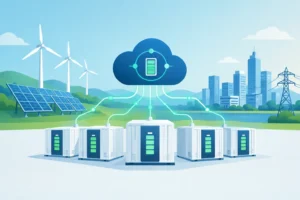
That is where batteries can make sense, but not in every case. A battery can increase self-consumption, provide backup power in some configurations and support more control over when energy is used. It can also add a significant upfront cost. Whether that trade-off is worthwhile depends on your tariff, usage profile, outage concerns and budget.
For businesses, export limits can be a deciding factor. Some networks cap how much energy can be sent back to the grid, which affects the ideal system size. A battery, export control solution or revised array design may improve the outcome, but it depends on the site and the commercial objective. The right question is not whether a battery is good or bad. It is whether it improves the financial and operational case for your property.
How solar installations work over the long term
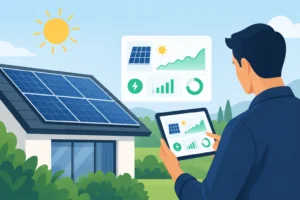
A quality solar installation is built for years of performance, not just day-one generation. That means product selection matters, but so does ongoing support. Monitoring helps identify faults, drops in output or inverter issues before they become expensive problems. Maintenance may be minimal for many systems, but it is not non-existent.
For residential owners, this often means periodic inspections, keeping panels reasonably clean where conditions require it, and checking that the system is still aligned with household usage as needs change. For commercial and industrial operators, maintenance can be more structured, with performance reviews, servicing schedules and warranty support forming part of the asset management approach.
This is where an end-to-end provider can add value. It is one thing to install solar. It is another to support system performance across the years, especially when batteries, EV chargers, warranty claims or future expansion become part of the picture.
Choosing an installer with the right approach
The difference between a solar system that performs well and one that disappoints is often decided before installation begins. Good installers ask better questions. They look at your tariff, your usage habits, your roof, your future plans and your appetite for upfront investment versus long-term savings.
For a homeowner, that may mean discussing whether battery storage should be installed now or planned for later. For a business, it may mean weighing capital purchase against financing options or assessing whether solar can support broader sustainability targets as well as lower operating costs. In both cases, the advice should be tailored, not recycled from a generic package.
At SAE Group, that consultative approach is central to designing systems that are practical, compliant and built to deliver value over time. The best solar outcome is rarely the cheapest quote on paper. It is the system that fits your site, performs reliably and continues to make sense long after installation day.
If you are considering solar, start with the real question: not just what the system costs, but how it will work for your property, your usage and your plans over the next several years. That is where good decisions begin.