What Are Solar STCs and How Do They Cut Costs?
Home » What Are Solar STCs and How Do They Cut Costs?
A solar quote can look substantially more affordable than the total cost of the panels, inverter, mounting equipment and installation work. One major reason is the value of Small-scale Technology Certificates, commonly called STCs. If you are asking what are solar STCs, they are a federal incentive mechanism that helps reduce the upfront cost of eligible small-scale solar systems in Australia.
Rather than waiting for a tax refund or applying for a payment after installation, most homeowners and businesses see the benefit as an immediate discount in their solar quote. The installer generally creates and sells the certificates on your behalf, then passes their value back to you as a point-of-sale deduction.
What are solar STCs?
STCs are tradable certificates created under the Australian Government’s Small-scale Renewable Energy Scheme. One STC represents one megawatt-hour of renewable electricity that an eligible system is expected to generate, or displace, over a set period.
For rooftop solar, the number of certificates is based on the system’s expected output, not its actual future production. This means the calculation takes account of the system size, your installation postcode and the number of years remaining in the scheme’s deeming period. Sunnier locations generally receive more STCs for the same-sized system because they are expected to generate more electricity.
The scheme is designed for small-scale systems. In practical terms, it commonly applies to residential solar and many small business installations. Solar water heaters and heat pump water heaters can also create STCs, although their calculation differs from a solar PV system.
STCs are not cash paid directly into your bank account. They have a market value, which can move over time. Your quote should show the STC discount clearly, so you can see the system’s full price, the value of the incentive and the amount you will pay after the discount.
How STCs reduce the cost of solar
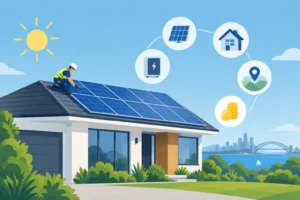
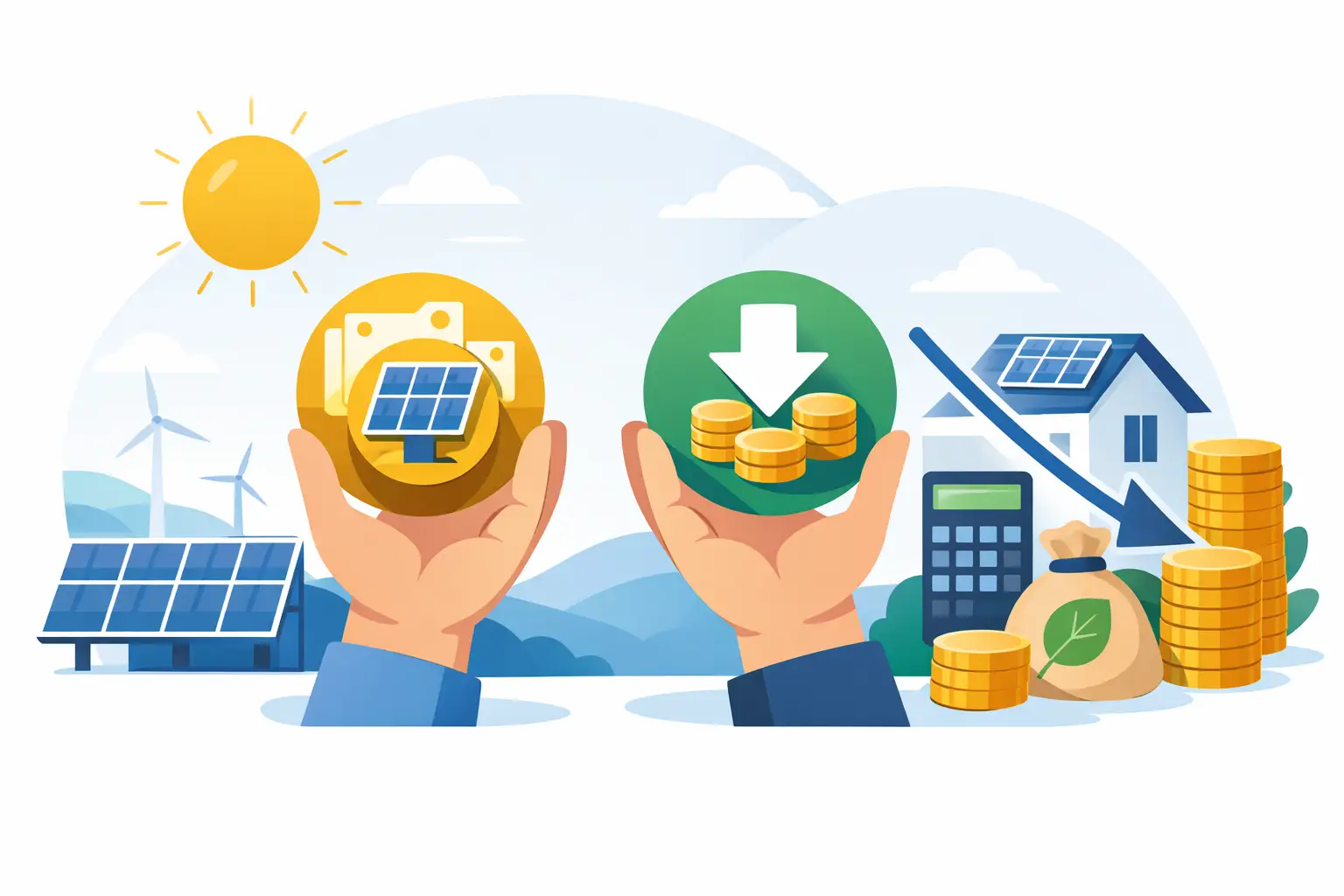
The process is usually straightforward. When you accept an eligible solar proposal, you assign the right to create STCs to your solar provider. The provider calculates the expected number of certificates, applies an agreed value per certificate and deducts that amount from your quoted price.
For example, a solar system installed in a high-sunshine part of Australia may generate more STCs than an identical system in a lower-sunshine zone. If the certificate market value changes, the total discount can change too. This is why an STC allowance should be treated as a live component of a quote rather than a fixed national rebate.
The practical benefit is significant: STCs lower the amount you need to fund from savings, finance or a loan. That can improve the payback period of a solar investment, particularly when the system is correctly sized to offset your daytime electricity use.
A lower upfront cost does not automatically make one proposal better than another. Panel quality, inverter capability, workmanship, system design, warranties and aftercare all affect the long-term value of a solar system. A very low quote may rely on a generous assumed STC value or omit important installation requirements, so comparing like for like matters.
How many STCs will your system receive?
There is no single answer because the calculation depends on several factors. Your installer should confirm the estimate for your specific property before you proceed.
System size and expected production
A larger solar PV system is expected to generate more renewable electricity, so it will generally create more STCs than a smaller one. However, choosing the biggest system available is not always the best financial decision. The right size depends on your roof space, electricity consumption, tariff structure, export arrangements and whether you plan to add a battery, EV charger or electric appliances.
For a business, the strongest result often comes from matching solar generation to daytime operational demand. For a household, it may mean allowing for future electricity use such as air conditioning, an electric vehicle or a switch from gas to efficient electric appliances.
Your location
Australia is divided into zones for STC calculations. A postcode in northern Queensland, for instance, will have a different expected solar output to one in Victoria or Tasmania. Your local climate, roof orientation and shading still matter to actual performance, even though the certificate calculation uses a standardised framework.
A good solar assessment considers both. STCs help with the purchase price, while real-world design determines how much electricity your system can produce and how much of it you can use.
The remaining deeming period
The Small-scale Renewable Energy Scheme is scheduled to reduce over time and end in 2030. Each year, there are fewer years remaining in the deeming period, which means newly installed systems generally create fewer STCs than comparable systems installed earlier.
This gradual reduction is one reason delaying a solar decision can increase the effective upfront cost. It is not a reason to rush into an unsuitable system, but it is sensible to factor the declining incentive into your timing and budget.
Certificate market value
The number of STCs is calculated using the scheme rules, but the dollar value is influenced by the certificate market and the terms set out in your proposal. Ask whether the quoted STC value is fixed, what happens if the market changes before installation, and whether there are any conditions attached to the discount.
Clear answers protect you from surprises and make it easier to compare proposals fairly.
Are you eligible for solar STCs?
Eligibility is determined by the scheme’s rules, and your installer should verify the details before installation. Generally, the solar system must be new, installed in Australia, use approved equipment and be installed by an appropriately accredited professional. The installation must also meet relevant electrical, building and network requirements.
The system needs to fall within the small-scale scheme limits. Larger commercial and industrial projects may instead be assessed under a different renewable energy certificate framework, such as Large-scale Generation Certificates. This distinction is important for businesses planning sizeable rooftop, ground-mount or multi-site projects.
Property type alone does not decide eligibility. Homeowners, landlords, small businesses, community organisations and other eligible property owners may be able to access STCs where the system and installation meet the requirements. A site inspection is valuable because roof condition, switchboard capacity, shading, export constraints and network connection rules can affect the final design.
STCs, feed-in tariffs and battery incentives are different
These terms are often grouped together, but they support different parts of the solar investment.
STCs reduce the upfront purchase cost of an eligible solar system. A feed-in tariff is the rate your electricity retailer pays for surplus power exported to the grid after installation. It can contribute to savings, but rates and conditions vary by retailer and location.
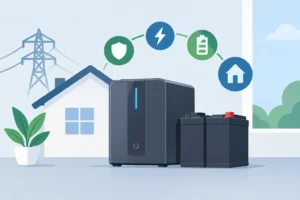
A solar battery does not usually generate STCs simply because it stores solar energy. Battery incentives, where available, operate under separate programs and have their own eligibility rules, technical requirements and funding limits. For households considering solar plus storage, it is worth assessing the full picture: solar generation, evening consumption, export rates, battery pricing and any applicable battery support.
The same principle applies to commercial projects. The best funding pathway depends on system scale, operating profile, site ownership, available incentives and whether the project is purchased outright, financed or delivered through a power purchase arrangement.
Questions to ask before accepting an STC solar quote
Before signing, ask your provider to explain the total system price before STCs, the estimated certificate quantity, the value applied to each certificate and the final price you will pay. You should also ask whether the STC amount is guaranteed and what may change if installation is delayed.
It is equally useful to ask how the proposed system has been sized for your electricity use. An STC discount improves affordability, but the strongest long-term result comes from a system that delivers reliable generation, suits your consumption pattern and is supported after commissioning.
For commercial decision-makers, request modelling that separates expected self-consumption from grid exports. This gives a clearer view of operating cost savings than a headline system size alone.
Make the incentive part of a better solar decision
STCs can make solar materially more accessible, but they are only one component of a worthwhile energy investment. The right system should help reduce purchased electricity, suit your property and leave room for the way you may use energy in the years ahead.
SAE Group can assess your site, explain the incentives relevant to your project and provide a tailored solar or battery proposal with transparent pricing. A considered design now can turn an upfront discount into dependable energy savings over the life of your system.