A solar system can cut daytime electricity purchases from the first bill, but the equipment you choose determines what happens after the sun goes down and when the grid is unavailable. In the grid tied vs hybrid solar decision, the right answer is rarely about choosing the most equipment. It is about matching your energy use, tariff, budget and reliability needs with a system that will perform well for years.
For many Australian properties, a standard grid-tied solar system is the most cost-effective starting point. For others, particularly households with high evening use or businesses seeking greater control of energy costs, a hybrid solar and battery system can offer stronger long-term value.
What is a grid-tied solar system?
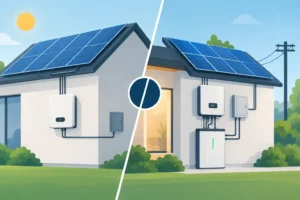
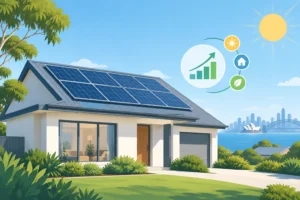
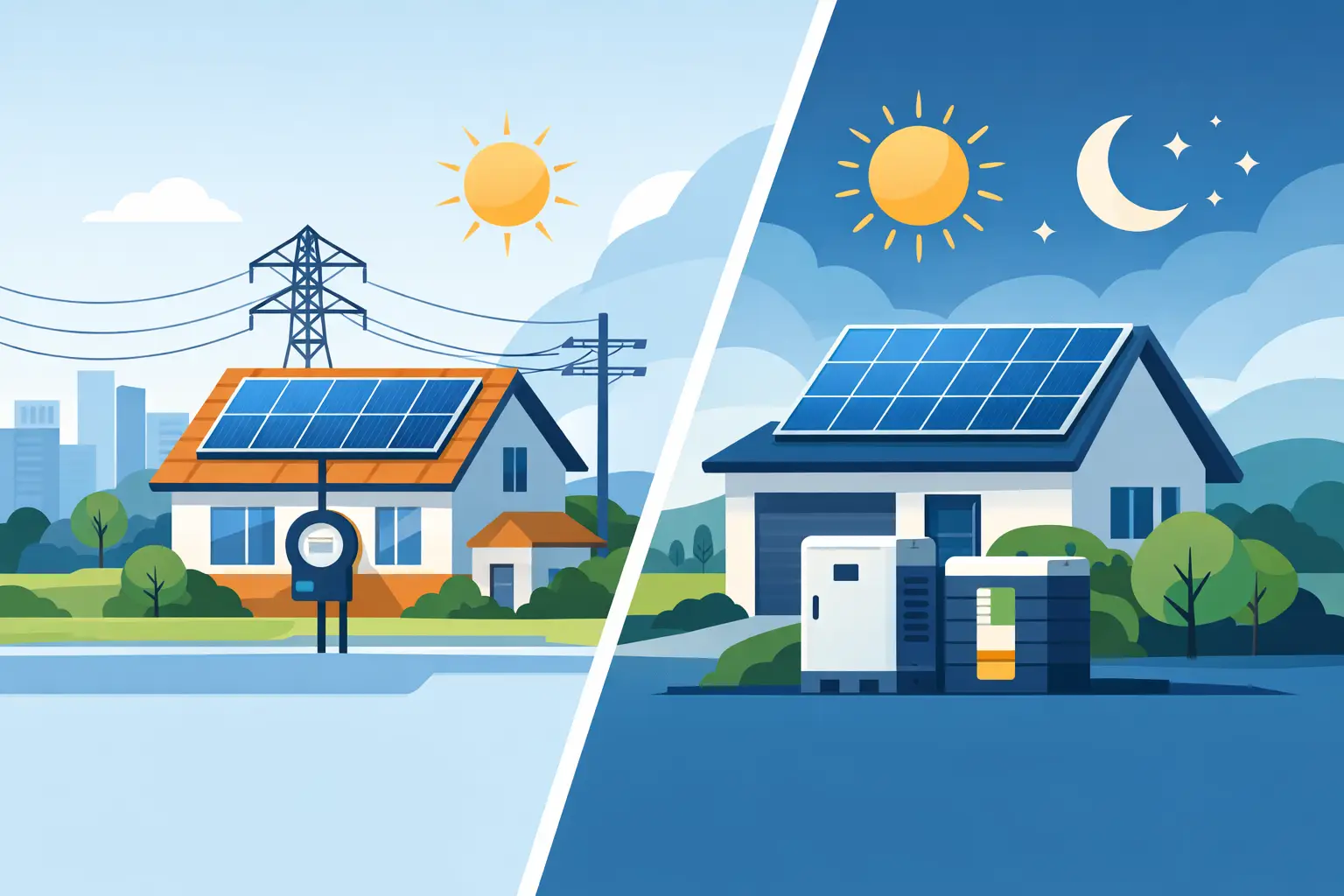
A grid-tied solar system connects solar panels and a solar inverter to the electricity grid. During daylight hours, your panels produce electricity for appliances, equipment and other loads on site. Any shortfall is supplied by the grid. When production exceeds demand, surplus energy is exported to the grid, subject to your retailer’s feed-in tariff and local network approval.
This is the conventional solar setup installed on many Australian homes, offices, warehouses and agricultural sites. It usually has a lower upfront cost because it does not include a battery. The system is straightforward, efficient and well suited to properties that use a meaningful amount of electricity during the day.
A standard grid-tied system generally switches off during a blackout, even if the sun is shining. This safety requirement prevents solar energy from feeding into damaged lines while crews are working on the network. It is a common point of confusion: solar panels alone do not provide backup power.
What is hybrid solar?
Hybrid solar combines panels, a hybrid inverter, grid connection and battery storage. It still uses the grid, but it gives the property another place to send excess solar generation. Rather than exporting all surplus energy in the middle of the day, the system can charge a battery for use later.
At night, during early morning demand peaks or when electricity prices are high, the battery can power selected household or business loads before energy is purchased from the grid. Depending on the system design, a hybrid setup may also provide backup power during an outage.
Backup capability is not automatic. It depends on the inverter, battery, switchboard configuration and whether essential circuits or full-site backup are included in the design. For example, a home may choose to back up lighting, refrigeration, internet, selected power points and a garage door, rather than high-demand equipment such as ducted air conditioning. A business may prioritise refrigeration, communications, security systems or critical production controls.
Grid tied vs hybrid solar: the practical differences
The most significant difference is what you do with surplus solar power. A grid-tied system exports it, while a hybrid system can store it for later use. That changes both the upfront investment and the potential savings profile.
Grid-tied solar is usually the stronger value option when daytime consumption is high. A café using refrigeration and kitchen equipment through the day, a warehouse operating during business hours, or a household with someone working from home may use much of its solar generation directly. Direct solar consumption is valuable because it avoids buying electricity at the full retail rate.
Hybrid solar can be more attractive when a large share of consumption occurs after sunset. Households that run air conditioning in the evening, cook with electricity, charge an EV overnight or have high family usage after school may benefit from storing solar energy. The same principle applies to businesses with evening operations, security loads or costly demand periods outside solar production hours.
There is also a resilience question. If reliable backup power is a priority, hybrid solar provides a pathway that conventional grid-tied solar cannot. However, battery backup should be designed around realistic outage needs, not assumed to run every appliance indefinitely.
Comparing upfront cost and long-term value
A grid-tied solar system has fewer components, so it normally costs less to install. This can make payback more accessible, particularly where daytime electricity use is strong and the site has a suitable roof or ground-mount area.
A hybrid system costs more because of the battery, hybrid inverter and additional electrical work required for backup where applicable. Batteries also have a finite usable capacity and warranty conditions that should be reviewed carefully. The financial case depends on how often the battery is charged from excess solar and discharged to avoid higher-cost grid electricity.
The comparison should not rely on feed-in tariffs alone. Export rates are often lower than the price paid to buy electricity from the grid, so self-consuming solar energy can be more valuable than exporting it. But adding a battery simply to avoid exports is not always the best investment. If your property already uses most solar energy during the day, a larger solar array without storage may deliver a better return.
For commercial and industrial sites, interval data matters. Half-hourly consumption data can reveal when energy is used, whether demand charges apply and how solar, storage or operational changes may reduce costs. A tailored assessment can also consider available incentives, including Small-scale Technology Certificates where eligible, as well as applicable commercial energy benefits.
When grid-tied solar is likely to suit your property
Grid-tied solar is often the sensible choice if your priority is lowering electricity bills with the lowest practical upfront investment. It suits properties with consistent daytime loads and reliable grid supply, especially where occupants can shift flexible activities into solar hours.
A household may run the dishwasher, washing machine, pool pump or EV charger during the day. A business may schedule equipment, cooling, pumping or charging activity to coincide with solar generation. These changes improve solar self-consumption without the added capital cost of a battery.
It can also be a sensible staged approach. Some systems can be designed with future battery integration in mind, although compatibility should be confirmed before installation. Choosing the right inverter and switchboard arrangement from the outset can avoid unnecessary upgrade costs later.
When hybrid solar may be worth the investment
Hybrid solar is worth closer consideration where evening consumption is substantial, electricity tariffs vary by time of use, or backup power has genuine value. It can help households use more of the solar energy they generate and reduce exposure to expensive evening grid imports.
For regional properties, home offices reliant on connectivity, or facilities where downtime carries a cost, backup capability may be a practical rather than lifestyle decision. The best outcome comes from defining the loads that must remain operational and sizing the battery accordingly.
Hybrid systems can also support EV charging strategies. If a vehicle is home during daylight hours, direct solar charging may be more economical than cycling energy through a battery. If charging happens at night, a battery may help, but its capacity, charging window and other household loads must be considered. This is why battery sizing should be based on data, not a one-size-fits-all package.
Design details that affect performance
The label on the system matters less than the quality of the design. Roof orientation, shading, panel capacity, inverter sizing, electricity tariff, export limits and future energy needs all influence results. A property expecting to add an EV, electric hot water, air conditioning or expanded operations may need a different design from one with stable consumption.
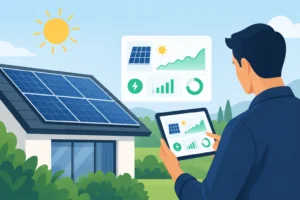
For hybrid systems, ask how backup works during a blackout, which circuits are covered and whether solar can continue charging the battery while the grid is down. Also consider battery location, usable capacity, warranty, thermal conditions and monitoring. A well-designed system should make energy use visible and give owners clear information about generation, storage, imports and exports.
SAE Group approaches these decisions through tailored system design, helping property owners balance upfront affordability with the performance, reliability and future flexibility they need.
Make the decision using your energy profile
Start with your electricity bills, but do not stop there. Look at when your property uses power, not only how much it uses over a quarter. Consider planned changes over the next five to 10 years, including EVs, electrification, business growth and the importance of backup power.
A grid-tied system can be an excellent, high-value investment when it offsets strong daytime demand. A hybrid system can add control, self-sufficiency and outage protection where those benefits justify the extra cost. The most useful next step is a site-specific assessment that turns your consumption data and priorities into a system designed for the way you actually use energy.