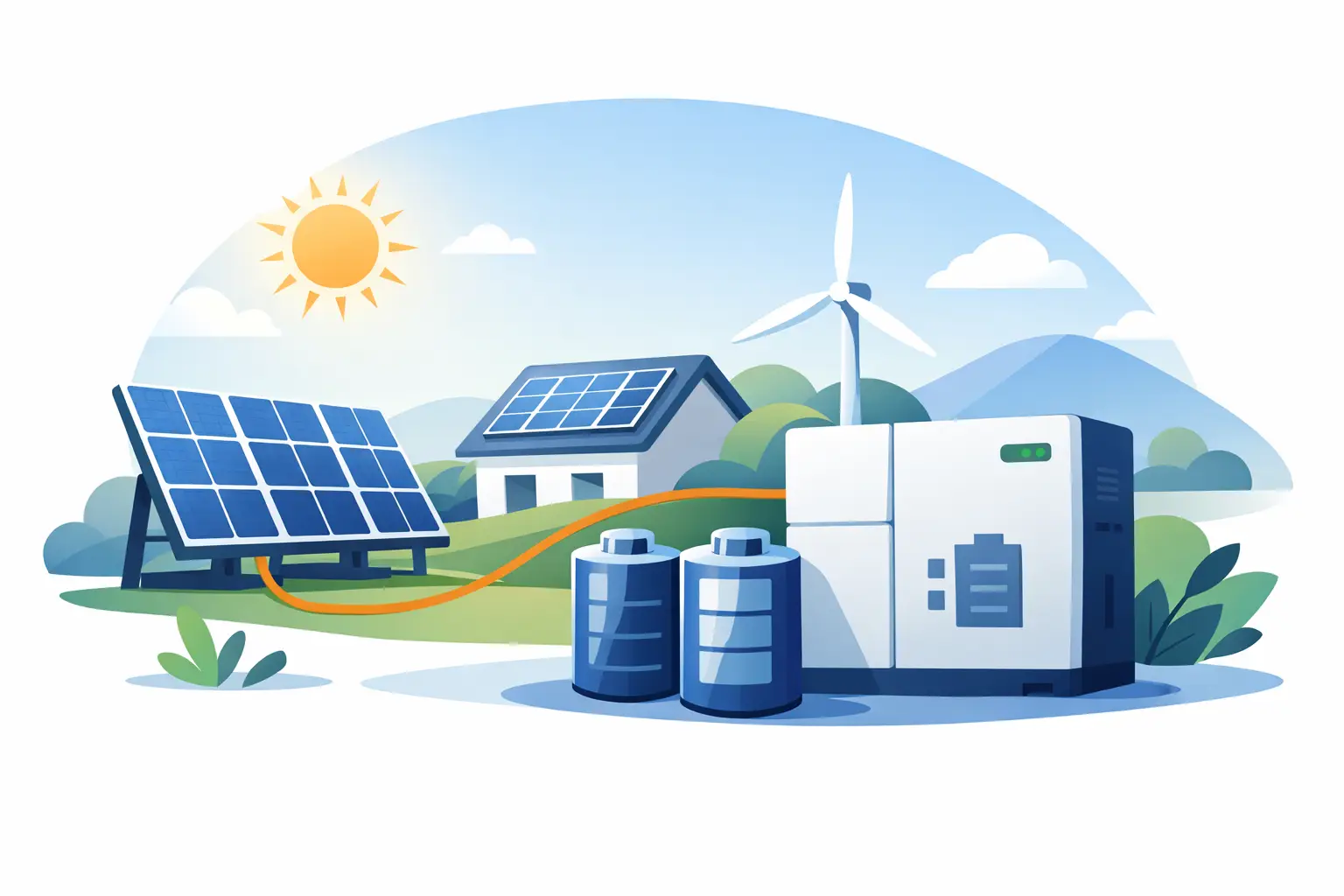
A solar system can produce plenty of electricity in the middle of the day, then leave you buying power from the grid after sunset. That gap is exactly why people ask, what is solar energy storage system, and whether it is worth adding to a home, business, or industrial site in Australia.
The short answer is simple. A solar energy storage system stores excess electricity generated by solar panels so it can be used later, rather than being exported immediately or wasted. In practice, it is a carefully designed combination of batteries, inverter technology, monitoring, and controls that helps you use more of your own solar power, reduce reliance on the grid, and manage energy costs with more confidence.
What is solar energy storage system and how does it work?
A solar energy storage system sits between your solar generation and your electricity use. During sunny periods, your solar panels produce power. Some of that electricity is used straight away by appliances, equipment, lighting, air conditioning, or machinery on site. If your panels are producing more than you need at that moment, the surplus can be directed into a battery.
Later, when solar production drops, the battery discharges stored energy back into the property. That stored electricity can run your evening household load, support peak business demand, or reduce expensive grid imports during high-tariff periods.
The basic principle is straightforward, but the system’s value depends on how well it has been matched to the property. A small household with modest evening usage will need a very different setup from a warehouse with refrigeration loads or an industrial facility operating across longer hours.
The main parts of a solar energy storage system
The battery is the most visible part, but it is not the whole system. Performance depends on several components working together.
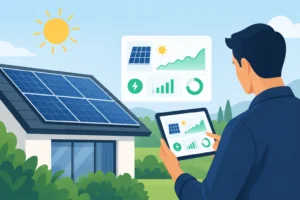
Solar panels generate the electricity. The battery stores surplus energy. The inverter converts electricity into a usable form for the property and, in many setups, also manages battery charging and discharging. Monitoring software tracks production, storage, consumption, and import or export behaviour. Safety equipment and switchgear protect the installation and help ensure compliance with Australian standards.
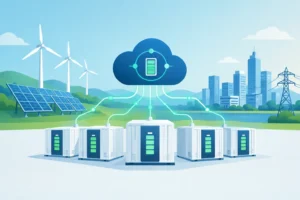
In some systems, an energy management platform adds another layer of control. This can prioritise battery charging, optimise self-consumption, or respond to programmed rules based on time-of-use tariffs. For larger commercial and industrial sites, that intelligence can make a significant difference to payback and ongoing savings.
Why storage matters in Australia
Australia has strong solar conditions, but high sunshine alone does not guarantee the lowest possible power bill. The timing of energy use matters just as much as the amount generated.
Many households use more electricity in the early morning and evening, when solar output is low. Commercial sites often face demand spikes, tariff complexity, and pressure to control operating costs. Industrial users may need greater energy stability, load support, or staged solutions that work around production requirements.
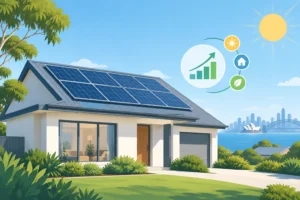
A storage system helps close the gap between when energy is produced and when it is actually needed. That is why it is becoming more attractive as feed-in tariffs change and grid electricity prices remain a concern for many Australians. Rather than exporting large amounts of cheap daytime solar and buying back more expensive electricity later, storage can help you keep more value on site.
What are the benefits of a solar energy storage system?
For most customers, the first benefit is lower electricity costs. Storing excess solar power means you can use more of your own generation instead of purchasing as much energy from the grid. This improves self-consumption and can reduce exposure to rising retail prices.
There is also the benefit of more predictable energy management. Homes gain greater control over evening usage, while businesses can better manage peak demand and operating expenses. In the right application, batteries can improve return on investment by making the solar system work harder across more hours of the day.
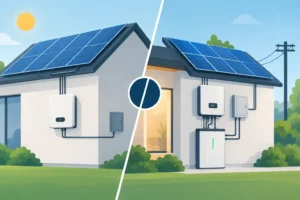
Some systems also provide backup capability, although this depends on the battery, inverter, and switchboard configuration. Not every battery installation automatically delivers backup during a blackout, so this needs to be specified at the design stage.
There is a broader strategic benefit as well. Storage supports sustainability goals by reducing dependence on fossil-fuel-heavy grid supply and helping organisations make better use of renewable generation already produced on site.
Where solar storage makes the most sense
A solar energy storage system is not a one-size-fits-all product. It tends to make the most sense where there is strong daytime solar production and meaningful electricity use outside solar hours.
For homeowners, that often means families who are out during the day and use more power in the evening for cooking, cooling, heating, entertainment, and EV charging. For businesses, storage can be attractive where there are evening operations, refrigeration, shift work, or demand charges. For industrial users, the case may rest on broader energy strategy, tariff optimisation, resilience needs, and staged decarbonisation plans.
It can still be worthwhile for daytime-heavy users, but the economics may differ. If a site already consumes nearly all of its solar generation as it is produced, the additional value of a battery may be lower than expected. That is why proper load analysis matters more than generic claims.
Costs, savings, and the role of system design
The cost of a solar energy storage system depends on battery size, inverter setup, brand, installation complexity, and whether the project includes new solar or an upgrade to an existing system. Commercial and industrial installations can vary even more because capacity, site infrastructure, and control requirements differ widely.
The cheapest option is rarely the best long-term value. A poorly matched battery may sit underused, cycle inefficiently, or fail to deliver the savings the owner expected. On the other hand, an oversized system can add unnecessary upfront cost and stretch payback.
A better approach is to size storage around real usage patterns, tariff structure, export behaviour, and future plans. If a household expects to add an EV, or a business plans to extend operating hours, those factors should shape the design from the start.
This is where an end-to-end provider can make a practical difference. Good design is not just about installing a battery. It is about aligning the battery, inverter, solar generation, controls, incentives, and aftercare so the system performs well over time.
Common misconceptions about battery storage
One common misconception is that bigger always means better. In reality, the best battery size is the one that fits the site’s load profile and financial goals. More storage capacity does not automatically mean better savings.
Another misconception is that any solar system can have a battery added easily. Some retrofits are straightforward, while others may require inverter changes, switchboard upgrades, or revised compliance work. It depends on the age and configuration of the existing system.
There is also confusion around blackout protection. Many people assume a battery will keep the whole property running during an outage. Sometimes it can support only selected circuits. Sometimes backup is optional rather than standard. That distinction matters, especially for businesses with critical loads.
Choosing the right system for your property
The right solution starts with understanding how and when your site uses electricity. That means reviewing interval data, current tariffs, daily load patterns, export levels, and future expansion plans. For commercial and industrial customers, operational priorities and maintenance considerations should also be part of the conversation.
Brand quality matters, but support matters just as much. Batteries and inverters are long-term assets, not simple off-the-shelf purchases. Installation quality, warranty support, monitoring, and servicing all affect performance over the life of the system.
For Australian customers, it is also worth checking available incentives, finance options, and the commercial structures that may improve project viability. Depending on the project type, these can materially change the economics.
Is a solar energy storage system worth it?
For many Australian homes and businesses, yes, but not in exactly the same way. Some customers prioritise bill reduction. Others want greater energy independence, backup capability, or better control over future electricity costs. Commercial and industrial buyers may focus on tariff management, operational certainty, and sustainability targets.
The strongest results usually come from tailored design rather than generic package sales. A storage system should fit the property, not the other way around. That is why the best starting point is a proper assessment of your energy use, goals, and site conditions.
If you are considering solar and battery storage, think beyond the battery itself. Look at the whole energy picture – solar generation, usage timing, tariffs, backup needs, future expansion, and long-term support. That is where real value tends to show up, not just on installation day, but year after year.