A high electricity bill after installing solar can be frustrating, particularly when you expected your panels to make a major difference. If you are asking, why is my solar bill high, the answer is rarely that solar has ‘stopped working’. More often, it comes down to when your household uses electricity, what your retailer charges, how much solar the system produces, and whether the system is performing as designed.
Solar reduces the amount of electricity you need to buy from the grid. It does not automatically remove every charge on your bill. A clear review of your usage, tariff and system performance can show where the cost is coming from and what changes are likely to make a worthwhile difference.
Why Is My Solar Bill High When My Panels Are Working?
Your solar panels generate the most energy during the middle of the day. For many homes, however, the highest electricity use happens before work and school, then again in the evening when people arrive home, cook dinner, run heating or cooling, do washing and use appliances.
If much of your consumption occurs after sunset, you may still be buying a significant amount of grid electricity at retail rates. Meanwhile, the solar energy produced during the day may be exported for a much lower feed-in tariff. This is the most common reason a household with a healthy solar system can still receive a high bill.
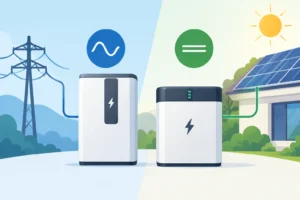
A battery can help shift excess daytime solar into the evening, but it is not the right answer for every property. Its value depends on your export rate, evening usage, battery size, energy goals and electricity plan. Before investing, it is worth understanding your consumption pattern and the performance of your existing system.
1. Your Electricity Use Has Increased
Solar production may be unchanged, but your energy needs may not be. A new pool pump, spa, electric vehicle, induction cooktop, air conditioner, electric hot water system or home office can materially increase consumption. Seasonal changes matter too. In much of Australia, heating in winter and cooling in summer can create large spikes in grid use.
Compare the current bill with the same period last year rather than the previous quarter alone. Check the total kilowatt-hours used, not just the dollar figure. If usage has risen, your solar system may be offsetting plenty of electricity but no longer covering the same proportion of your household demand.
2. You Are Using Most Power Outside Solar Hours
A solar system delivers its strongest savings when you use energy while it is being generated. Running the dishwasher, washing machine, dryer, pool pump or electric hot water system during daylight hours can increase solar self-consumption and reduce grid imports.
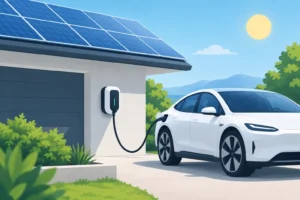
This does not mean running every appliance at once at midday. The practical approach is to use timers, smart controls and appliance schedules to move flexible loads into the solar window. For example, a pool pump can often run through the day, and an EV can be charged from late morning to mid-afternoon when suitable solar production is available.
3. Your Feed-in Tariff Is Lower Than Expected
Feed-in tariffs have changed significantly over time and vary between retailers, states and electricity plans. A generous export rate may come with higher daily supply charges or more expensive electricity rates. A plan with a lower feed-in tariff may still be cheaper overall if its import rate better suits your household.
The key is to assess the full tariff structure. Review your daily supply charge, usage rates, controlled-load rates, time-of-use periods, demand charges where applicable, and the feed-in tariff. Choosing a plan based only on the export rate can result in a higher total bill.
4. Supply Charges Are Still on Every Bill
Even when solar offsets most of your daytime electricity usage, you will generally still pay a daily supply charge to remain connected to the grid. This covers access to the network and is charged whether you import much electricity or not.
For a low-consumption home, supply charges can make up a noticeable share of the bill. Solar can reduce your usage charges substantially, but it cannot usually remove the fixed cost of grid connection. Going fully off-grid is a different technical and financial decision, requiring enough generation and battery capacity to meet demand through poor weather and seasonal variation.
5. Your System May Be Generating Less Than It Should
Panels do not need bright, cloudless conditions to generate electricity, but output will naturally vary with weather, season, roof orientation and shading. Shorter winter days, sustained overcast conditions and very hot panel temperatures can all reduce production.
There may also be a performance issue that needs attention. Inverter faults, tripped breakers, damaged wiring, failed optimisers, a communications problem or a panel string issue can reduce generation. If your monitoring app shows unusually low production, frequent inverter errors or no generation during daylight hours, arrange a qualified inspection rather than relying on the app alone.
A system may also be producing normally but be undersized for your current needs. A solar design that suited a household three years ago may no longer match a growing family, new appliances or electrification plans.
6. Shade, Dirt or Roof Changes Are Affecting Output
Light dust usually has only a modest impact on panel output, particularly after rain. Heavy soiling, bird droppings, leaf build-up or debris can be more significant, especially where it repeatedly affects the same panels.
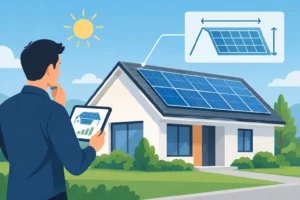
Shade is often the bigger issue. Trees grow, new structures are built and satellite dishes, vents or other roof additions can cast shadows that were not present when the system was designed. Even partial shading can affect production, depending on the panel layout and inverter technology.
Do not climb onto the roof to investigate. Check your monitoring data, look for obvious changes from ground level and have a solar professional assess any ongoing production decline.
7. Your Bill Covers More Than One Meter or Load
Some properties have separate meters or controlled loads for items such as electric hot water. These loads may be billed differently and may not be fully offset by rooftop solar, depending on how the system and metering are configured.
This can be particularly relevant for homes with older electrical arrangements, secondary dwellings, workshops or equipment on a separate supply. Read the meter identifiers and tariff lines on the bill carefully. If something does not match your understanding of the property, ask your retailer or solar provider to explain the configuration.
8. You Are on a Time-of-Use or Demand Tariff
Time-of-use tariffs charge different rates at different times, while demand tariffs may apply charges based on your highest period of electricity demand. These structures can work well for some households and businesses, but they can also create bill surprises when high-load appliances run during peak periods.
For example, running heating, cooking, a dryer and EV charging at the same time may create a costly peak. Commercial customers should pay close attention to demand intervals, as a short period of high simultaneous load can affect charges across the billing cycle.
Tariff suitability depends on your actual interval data. It is worth reviewing before changing plans, especially if you have solar, batteries, EV charging or major electric equipment.
9. The Bill May Cover an Unusual Period
Check the bill dates and number of days charged. A longer billing period, an estimated read followed by an actual read, a retailer price change or a delayed account adjustment can make one bill look unusually high.
Also look for credits that may have ended, including sign-up discounts or concessions. The bill should show your solar exports, grid imports and the rate applied to each. If those figures appear incorrect, contact the retailer promptly and keep records from your inverter monitoring platform to support the discussion.
Practical Steps to Lower Your Solar Electricity Costs
Start by comparing your bill with your solar monitoring data over the same dates. If generation is consistent with the season but grid imports are high, the opportunity is usually to shift energy use into daylight hours or assess storage. If generation is unexpectedly low, arrange a system health check.
Next, review your electricity plan based on the whole bill, not just the feed-in tariff. A tariff review can be particularly valuable after adding an EV, battery, pool, electric hot water or reverse-cycle air conditioning.
Finally, consider whether your system still matches your household or business. Adding panels, optimising consumption, installing smart controls or assessing a battery may improve outcomes, but the right option depends on site conditions, load profile and budget. SAE Group can help assess system performance and develop a tailored path that supports lower energy costs over the long term.
A high solar bill is a signal to investigate, not a reason to give up on solar. With the right data and practical adjustments, most households can identify where their savings are being lost and make a more informed decision about what to do next.