Your solar panels may still be producing well, but the inverter is the component that turns that generation into usable electricity for your property. Knowing when to replace solar inverter equipment can prevent avoidable downtime, protect the value of your system and keep your electricity savings on track.
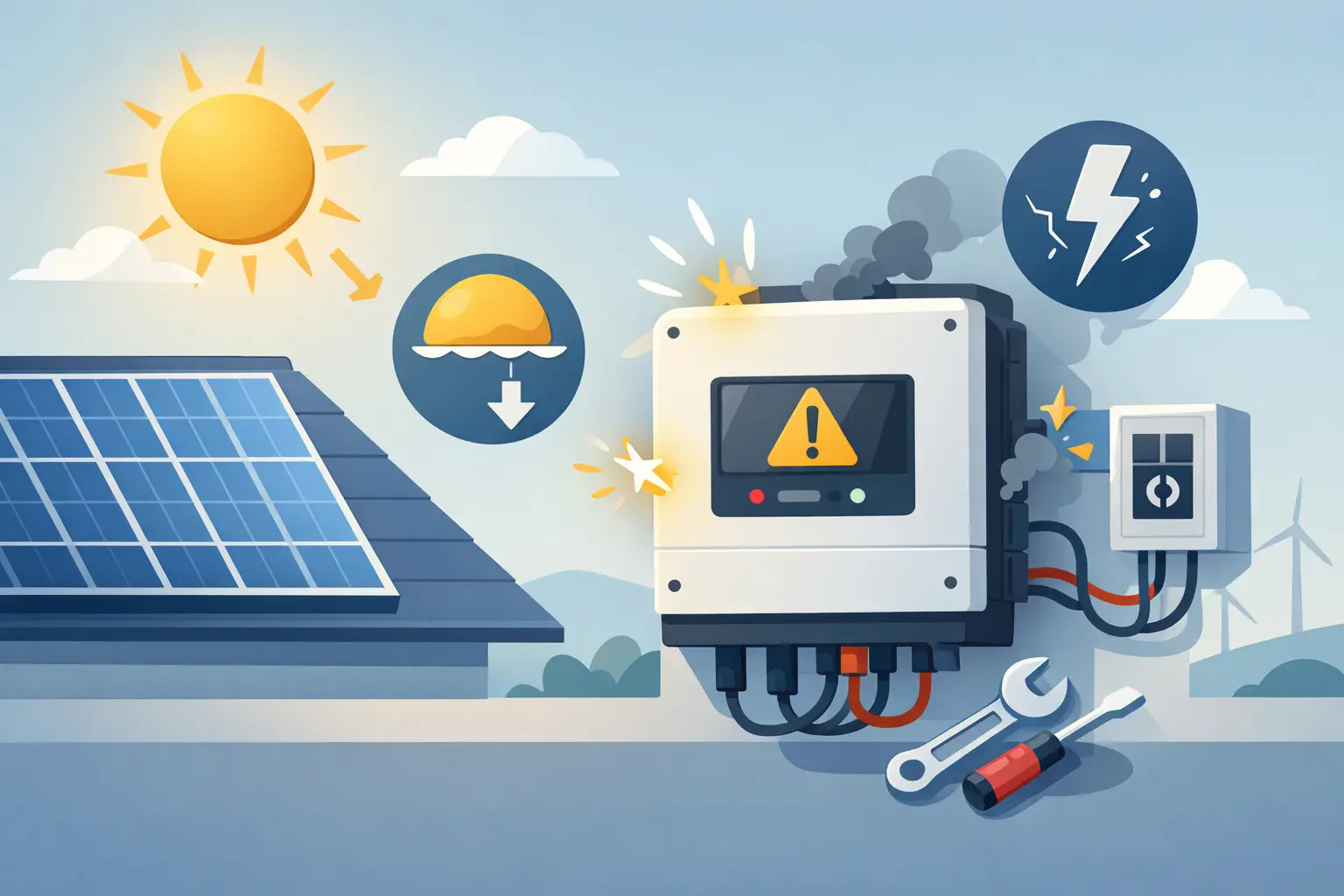
For many Australian solar owners, an inverter issue first appears as an unfamiliar fault code, a red status light or a sudden drop in generation on the monitoring app. Sometimes the solution is straightforward. In other cases, it is a sign that the inverter has reached the end of its useful working life.
How long does a solar inverter last?
Most string solar inverters have an expected service life of around 10 to 15 years. This is usually shorter than the lifespan of solar panels, which can continue producing energy for 25 years or more. Microinverters can often last longer because they operate at panel level, although replacing one can be more involved depending on the roof layout and system design.
Lifespan is not fixed. Australian conditions can be demanding, particularly where an inverter is exposed to high heat, humidity, salt air or repeated grid fluctuations. An inverter installed in a cool, shaded and well-ventilated location may perform reliably for longer than one mounted on a western wall that receives intense afternoon sun.
A warranty period is also useful context, but it is not a deadline. A unit may continue operating after its warranty ends, while another may fail within warranty due to a manufacturing fault or environmental stress. The practical question is whether the inverter is operating safely, efficiently and reliably enough to support your energy goals.
Warning signs it may be time for replacement
A single low-production day does not automatically mean you need a new inverter. Cloud cover, soiling on panels, seasonal changes and electricity network interruptions can all affect output. Persistent or recurring problems deserve a closer assessment.
Repeated fault messages or shutdowns
Occasional grid-related messages can occur, especially during periods of high local solar generation. However, frequent faults, repeated resets or unexplained shutdowns can indicate a failing internal component, communication issue or grid compliance problem.
If the inverter regularly turns off during sunny periods, your system may be missing valuable generation when it should be producing most. A qualified technician can determine whether settings, wiring, network voltage or the inverter itself is responsible.
A noticeable and sustained fall in solar production
Monitoring data is one of the clearest ways to identify an inverter problem. Compare generation against similar periods in previous years, allowing for weather differences. If production has dropped substantially without an obvious cause, the inverter may not be converting power efficiently.
The cause could also sit elsewhere in the system, such as damaged cabling, panel faults or shading from new tree growth. This is why professional testing matters before committing to replacement.
Physical damage, heat stress or unusual noise
Cracked casing, water ingress, corrosion, discoloured components or a burning smell require prompt attention. Turn off the system only if it is safe to do so and arrange an inspection by a licensed solar professional. Do not remove covers or attempt internal repairs yourself.
A low operating hum can be normal for some inverter models. New buzzing, rattling, loud fan noise or excessive heat is not something to ignore. Heat is a common contributor to inverter wear, and a unit that frequently overheats can become less reliable over time.
The inverter is outside warranty and repairs are mounting
When an older inverter needs repeated call-outs, replacement can be the more cost-effective option. Paying for multiple repairs on a unit nearing the end of its expected lifespan may provide only a short-term fix.
The decision should consider the repair cost, the remaining warranty, expected production losses while the system is offline and the benefits available from newer technology. A replacement inverter typically comes with a new manufacturer warranty and may offer improved monitoring, efficiency or battery compatibility.
Repair or replace? Start with a proper diagnosis
Not every inverter fault calls for replacement. Loose connections, damaged isolators, internet communication issues and grid voltage settings can sometimes be rectified without changing the inverter. If the unit is relatively new and supported by warranty, a repair or warranty claim is often the sensible first step.
Replacement is more likely to make financial sense where the inverter has failed completely, has a major internal fault, is beyond warranty or is no longer supported with parts. Older models can also become difficult to monitor or service as manufacturers discontinue product lines.
For businesses, the calculation is broader. Inverter downtime can affect operating costs, reporting requirements and sustainability targets. A planned replacement outside peak trading periods can be preferable to an unexpected failure that leaves a larger system underperforming for weeks.
When to replace solar inverter equipment for a battery upgrade
Adding a battery is one of the most common reasons to consider an inverter upgrade before the existing unit fails. Whether this is necessary depends on the system you have now and the battery outcome you want.
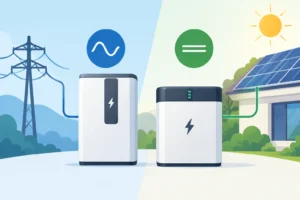
An existing solar inverter may work with an AC-coupled battery, which allows a battery system to be added alongside the current solar setup. This can be a practical option where the inverter is still in good condition. However, it may involve additional equipment and can be less streamlined than an integrated design.
If your current inverter is ageing, a hybrid inverter can be a stronger long-term choice. It is designed to manage solar generation, battery charging and household loads through one coordinated system. The right approach depends on your daily energy use, tariff, export limits, backup power needs and the capacity of your existing solar array.
For homes seeking backup during outages, confirm that the proposed inverter and battery configuration supports backup power. Not every battery system will keep every circuit running, and the backup design needs to match what you want protected, such as refrigeration, lighting, internet or essential business equipment.
Choosing the right replacement inverter
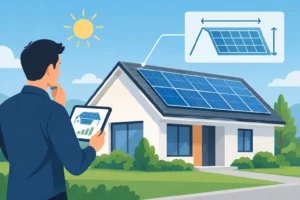
A replacement should not simply match the old unit by size. Your installer should assess the panel capacity, panel orientation, string configuration, local network requirements and future plans for battery storage or an EV charger.
In some cases, a slightly different inverter capacity can improve the fit for the system. Oversizing the solar array relative to inverter capacity can be acceptable within approved design limits, but the decision must account for expected clipping, network rules and the generation profile of the site.
Look for a quality inverter from an established manufacturer with local warranty support and monitoring features that make performance easy to check. For commercial and industrial sites, consider monitoring integration, remote fault visibility, maintenance access and how replacement work can be scheduled with minimal operational disruption.
The installation location also matters. Good ventilation, protection from direct weather exposure and clear access for servicing can help the new inverter operate more reliably. A professional assessment may identify an opportunity to relocate the replacement unit to a more suitable position.
What happens during an inverter replacement?
A licensed installer will first inspect the existing system, confirm the fault or upgrade requirements and check that the panels, cabling, isolators and switchboard remain suitable. They will then select an inverter that meets current Australian standards and the relevant distributor requirements.
The system will need to be safely isolated while the work is completed. Once the replacement is installed, the technician should test operation, commission the monitoring platform and confirm that the system is exporting or charging a battery as designed. Keep the new warranty documents, compliance paperwork and monitoring login details in a safe place.
If your original installation is several years old, replacement work can reveal components that no longer meet current requirements. This is not always the case, but it is worth allowing for potential updates to safety equipment or switchboard components in the quote.
Act before a small issue becomes lost savings
An inverter does not need to wait for a total failure before it deserves attention. Regular monitoring and servicing can identify declining performance early, while a planned upgrade gives you more control over technology choice, timing and budget. SAE Group can assess your system’s performance and recommend a practical repair, replacement or battery-ready pathway based on how you use energy now and where you want your solar investment to take you next.