A low power bill in summer is satisfying. A low power bill in winter, when usage climbs and tariffs still bite, is when a solar investment starts to prove itself. This home solar panel installation guide is built for Australian homeowners who want clear answers on what the process looks like, what affects value, and how to avoid costly mistakes.
Solar is not a one-size-fits-all purchase. The right system depends on your roof, your daytime usage, your budget, your retailer, and whether you want to add battery storage now or later. A well-designed system can lower electricity costs for years. A poorly matched one can underperform, create frustration, and limit your return.
What a home solar panel installation guide should actually cover
Many homeowners start with panel wattage or advertised system price. Those matter, but they are only part of the decision. A proper installation guide should explain the whole pathway – site suitability, energy usage, system design, product selection, installation standards, grid connection, and aftercare.
That broader view matters because solar performance is shaped long before panels go on the roof. If your system is sized around a generic estimate rather than your real usage pattern, you may end up exporting too much power at a modest feed-in tariff or buying more grid power than expected in the evening. If the installer does not factor in shading, switchboard condition, roof orientation, or future battery plans, short-term savings can come at the cost of long-term flexibility.
Start with your household energy profile
Before choosing equipment, look at how your home uses electricity. Your quarterly bill gives a useful starting point, but interval data is better if you can access it. The key question is not simply how much power you use in total. It is when you use it.
Homes with strong daytime consumption often get more immediate value from solar because they can use more of their own generation as it is produced. If your household is empty through most of the day, exports may form a larger part of the financial return. That is not necessarily a problem, but it changes the payback picture.
You should also think ahead. A new air conditioner, electric hot water, pool pump, EV charger, or battery can shift the system size that makes sense. Installing too small to save on upfront cost can be a false economy if your energy demand grows over the next few years.
Is your roof suitable for solar?
Most Australian homes can support solar, but not every roof delivers the same result. North-facing roof space is often ideal, though east and west aspects can still perform very well, especially when matched to household demand. A west-facing array, for example, may produce less total energy than a north-facing one but more useful afternoon generation for families who are home later in the day.
Roof pitch, available area, shading, and condition all matter. Nearby trees, neighbouring buildings, vent pipes, skylights, and chimneys can affect panel layout and output. If your roof needs major repair soon, it is usually smarter to address that before installation rather than remove and reinstall panels later.
The switchboard should also be assessed early. Some homes require upgrades to safely support a new solar system. That can add to the project cost, but it is better identified during design than discovered on installation day.
Choosing the right system size
System size is where most homeowners look for a simple answer, but the right size is always situation-dependent. A smaller system may cost less upfront and still reduce bills meaningfully. A larger system may deliver stronger long-term value if your roof allows it and your energy usage supports it.
In practice, sizing should reflect your annual consumption, daytime load, local network rules, and budget. Export limits can affect how much inverter capacity or panel capacity makes sense. So can your plan to add a battery later. A system designed with future expansion in mind can save time and money down the track.
This is also where quality design matters more than sales slogans. The best result is rarely about chasing the highest number of panels possible. It is about building a balanced system that produces well, matches your needs, and complies with local requirements.
Panels, inverters and batteries – what matters most
Panels usually get the most attention, but system performance depends on how all components work together. Good panel efficiency, strong manufacturer support, and proven durability are important, especially in Australian conditions. So is product compatibility.
The inverter deserves close attention because it manages how solar power is converted and used. In many systems, inverter selection has a major impact on monitoring capability, battery readiness, efficiency, and fault response. Depending on the roof layout and shading profile, either a string inverter or a system using panel-level optimisation may be more suitable.
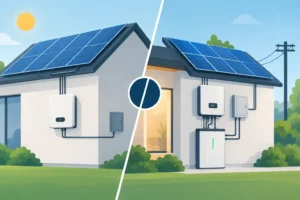
A battery is not essential for every household. For some homes, solar alone provides the strongest return. For others, especially those with high evening usage or a goal of greater energy independence, adding storage can be worthwhile. The trade-off is simple: batteries improve self-consumption and backup potential, but they add substantial upfront cost. Whether that stacks up financially depends on your usage pattern, tariff structure, and the battery product itself.
Incentives and cost considerations in Australia
For many homeowners, the financial case for solar improves through available incentives. Small-scale Technology Certificates can reduce the upfront cost of an eligible system, and feed-in tariffs may provide credit for excess energy exported to the grid. These settings vary and can change, so current advice matters.
The cheapest quote is not always the most affordable system over its lifetime. Installation quality, product reliability, warranty support, and maintenance access all influence long-term value. A lower upfront price can become expensive if the system underperforms, faults are hard to resolve, or replacement parts are difficult to source.
Financing can also shape the decision. Some homeowners prefer to pay outright for the strongest long-term savings. Others choose a finance option that lets bill savings offset repayments. Either way, the better question is not just what the system costs today, but what it is likely to save over time.
The home solar panel installation guide to the actual process
Once the system design is confirmed, installation usually follows a clear sequence. First comes the site assessment and final technical review. This confirms roof layout, electrical requirements, and any compliance issues. Approvals and grid connection paperwork are then prepared as required.
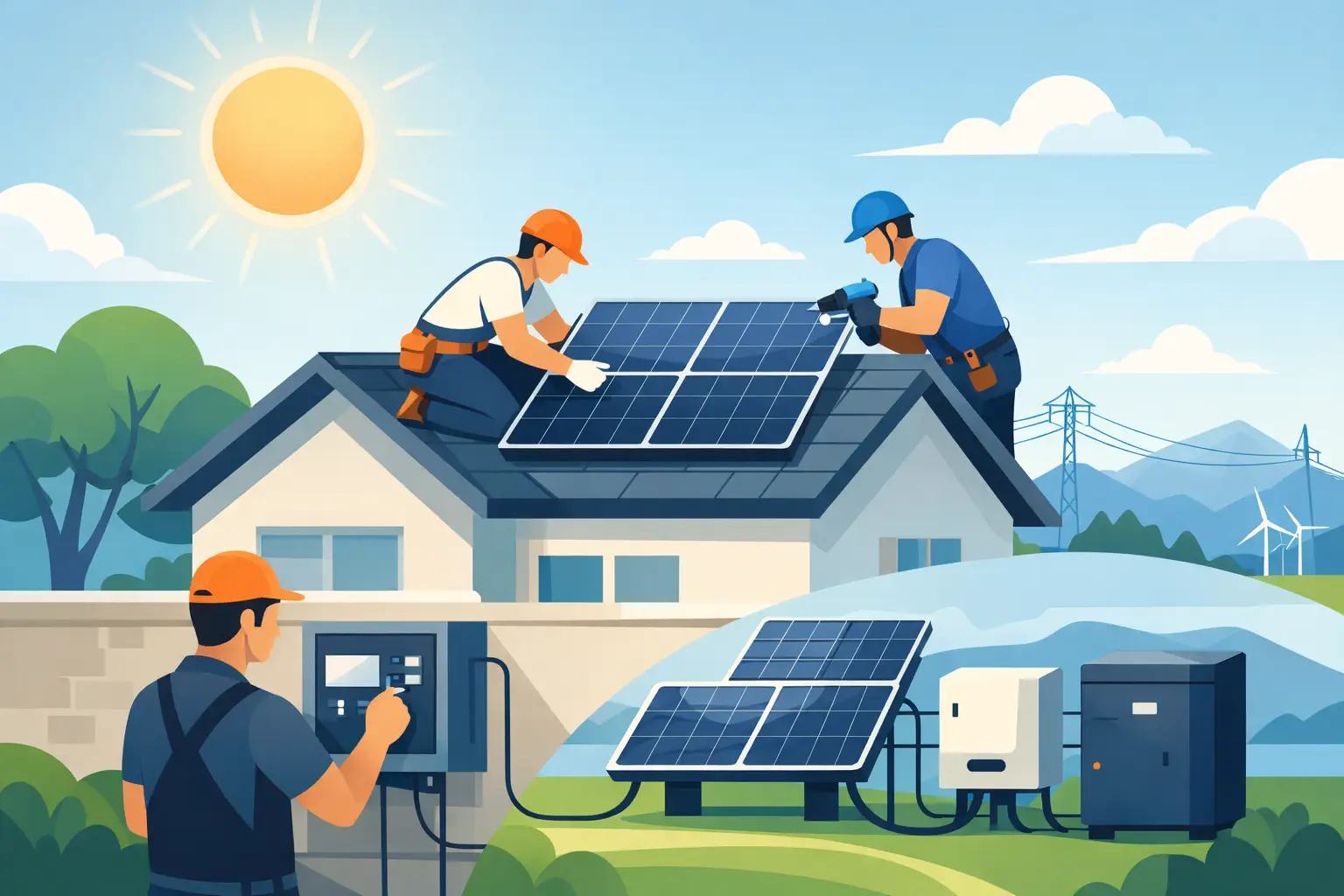
On installation day, the team mounts the racking, secures the panels, installs the inverter and electrical components, and connects the system in line with Australian standards and local network rules. Timeframes vary depending on system size, roof complexity, weather, and switchboard condition, but many residential systems are completed within a day.
After physical installation, testing and commissioning are carried out to confirm safe operation and expected performance. The system is then connected for monitoring, and the homeowner should be shown how to read key performance data, shut the system down safely if needed, and understand what normal operation looks like.
Why installer quality matters as much as equipment
A premium panel cannot compensate for poor installation. Cable routing, waterproofing, panel placement, isolator positioning, switchboard integration, and commissioning all affect safety and performance. So does documentation. You should know what products are being installed, what warranties apply, what monitoring is included, and who to call if support is needed.
This is where an end-to-end provider can make a meaningful difference. A company such as SAE Group can support the full process from design and installation through servicing, maintenance, and warranty assistance, which gives homeowners a clearer line of responsibility after the system is switched on.
What happens after installation
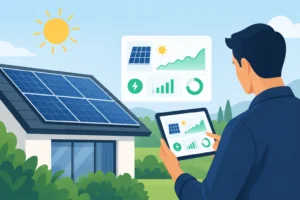
Solar is not a fit-and-forget asset, even though it is low maintenance. Monitoring is valuable because it helps you spot changes in performance early. Dirt, shade growth, inverter faults, and grid issues can affect output over time. Most systems do not need constant attention, but they do benefit from periodic checks.
It is also worth adjusting household habits once solar is installed. Running appliances such as dishwashers, washing machines, pool pumps, or electric hot water during solar production hours can lift self-consumption and improve savings. If you later add a battery or EV charger, your usage strategy may change again.
Common mistakes to avoid
The most common mistake is buying on headline price alone. The next is choosing a system without understanding how the home uses power. Oversimplified payback claims, vague warranty terms, and generic sizing are also warning signs.
Another issue is ignoring future needs. If you are likely to electrify more of the home, install an EV charger, or add battery storage, mention that early. A system designed with those plans in mind is often more practical than retrofitting around avoidable limitations.
A good solar outcome comes from getting the fundamentals right: sound design, suitable products, compliant installation, and reliable support after handover. If the quote process feels rushed or the answers stay vague, keep asking questions until they are clear.
The best time to install solar is usually before another year of high power bills passes by, but the best system is the one designed properly for your home, your usage, and the way you want to manage energy over the long term.