A solar system can produce plenty of clean electricity and still leave savings on the table. The difference usually comes down to when you use power, how your system is designed, and whether you can store or manage surplus generation. To optimise solar energy usage, Australian homes and businesses need to match electricity demand with their own solar production as closely as possible.
That sounds simple, but every property has different load patterns. A family household with people home during the day has different opportunities from a café with a morning peak, or a warehouse operating overnight. The right approach starts with understanding your energy use, then selecting practical upgrades that improve solar self-consumption without compromising comfort or operations.
Why solar self-consumption matters
Solar panels generate the most electricity through the middle of the day. If that energy is used on-site, it directly reduces the amount of electricity purchased from the grid at retail rates. Any unused electricity may be exported, but feed-in tariffs are commonly lower than the price paid to import power.
This is why using more of your solar generation at the time it is produced can improve the financial return from your system. A battery can extend that value into the evening, while smart scheduling, efficient appliances and carefully chosen system components can reduce reliance on grid electricity throughout the day.
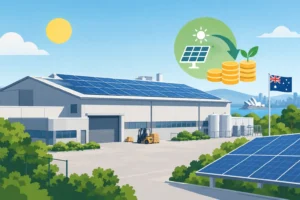
For commercial and industrial sites, the same principle applies at a larger scale. High daytime demand can make solar particularly valuable, but businesses should also consider demand charges, operating hours, future expansion and the reliability requirements of critical equipment.
Start with your energy profile
Before changing equipment or habits, review interval data from your electricity retailer, inverter monitoring platform or energy management system. The goal is to identify three things: when your property consumes the most electricity, when your solar system generates the most, and where those two patterns do not align.
A typical household may see solar output rise from mid-morning, peak around midday and taper off through the afternoon. Yet many households use their largest loads after work, when cooking, heating or cooling, laundry and entertainment all compete for imported grid power. A business may have the opposite issue, with excellent daytime alignment but high peaks from refrigeration, machinery or air conditioning.
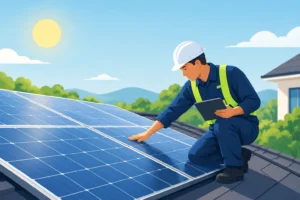
Monitoring turns assumptions into useful decisions. It can reveal, for example, whether an air conditioner is driving unexpected consumption, whether a battery is cycling as intended, or whether a solar inverter is being limited by an issue that needs attention. Regular checks also help ensure the system continues to perform as designed.
Check system performance before adding more capacity
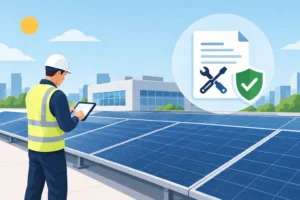
More panels are not always the first answer. If generation is lower than expected, investigate shading from new tree growth, soiling, inverter faults, panel damage or changes to site electricity consumption. A professional system health check can identify whether maintenance, optimisation or an equipment upgrade will deliver better value than expanding the array.
For older systems, an inverter replacement or battery-ready upgrade may create more flexibility. For sites with available roof space and growing electricity demand, additional solar capacity may still be the right investment, but it should be assessed alongside export limits and network requirements.
Shift flexible loads into daylight hours
Load shifting is one of the most affordable ways to improve the value of solar. It means moving energy-intensive but flexible tasks into the hours when your panels are producing. Timers, smart controls and appliance scheduling make this easier without requiring constant attention.
At home, this can include running the dishwasher, washing machine, dryer, pool pump or electric hot water system during the day. If your household has an electric vehicle, charging it from late morning to mid-afternoon can use surplus solar rather than drawing power from the grid at night. The best schedule depends on your solar output, household needs and electricity plan.
For businesses, suitable loads may include pre-cooling or pre-heating spaces, charging fleet vehicles, operating selected pumps, scheduling compressed-air tasks or shifting non-critical production processes. Not every load can move. Customer-facing hours, staff requirements and production deadlines matter. The practical opportunity is to identify the loads that can be controlled without affecting service or productivity.
It is also worth considering hot water. Electric storage hot water can act as a simple form of thermal energy storage when it is heated during solar production. Heat pump systems can be especially efficient, although their suitability depends on household demand, available space and installation conditions.
Use battery storage where it solves a real problem
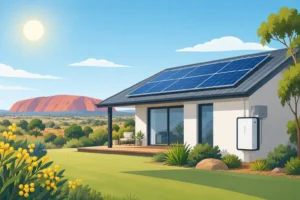
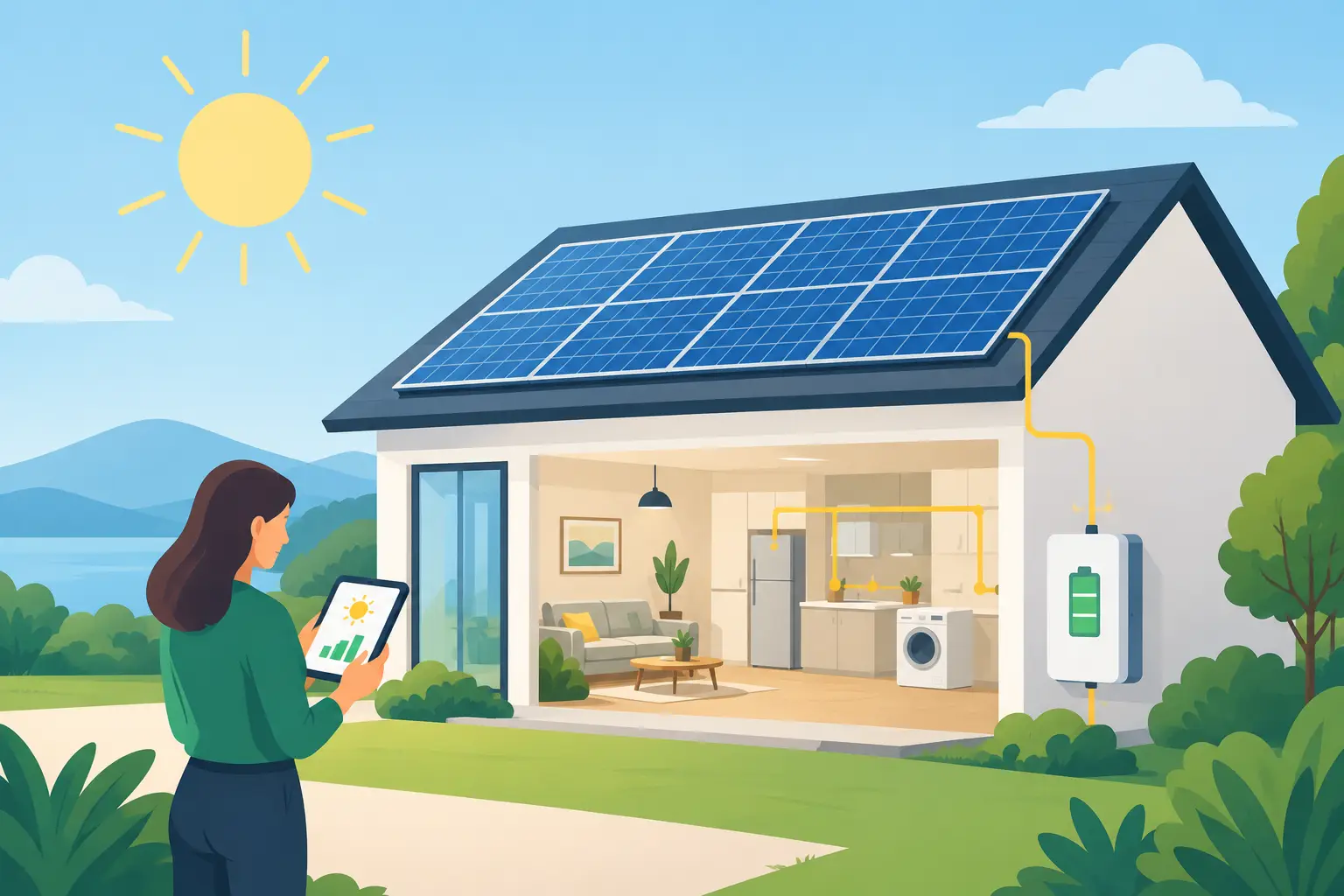
A solar battery stores excess daytime generation for use later, usually during the evening and overnight. This can increase self-consumption, reduce grid imports and provide greater control over how your energy is used. Some systems can also provide backup power during outages, subject to the battery configuration and selected circuits.
Battery storage is most useful where a property regularly exports solar during the day and imports significant electricity after sunset. It can also suit customers on time-of-use tariffs where evening electricity prices are higher. However, a larger battery is not automatically better. Oversizing can mean stored capacity sits unused for long periods, while undersizing may not cover the loads you want to manage.
The right battery size should be based on your evening consumption, solar export profile, electricity tariff, desired backup capability and future plans such as an electric vehicle or all-electric heating and cooling. Commercial systems need a broader assessment of load profile, tariff structure, operational risk and available capital.
Optimise solar energy usage with smarter controls
Smart energy controls can direct surplus solar to the most valuable load at the right time. Depending on the system, this may involve scheduling appliances, managing a pool pump, prioritising battery charging, controlling hot water or adjusting EV charging rates to follow solar production.
This is particularly useful when generation changes quickly due to cloud cover or when several large appliances operate at once. Rather than relying on fixed timers alone, solar-aware controls can respond to available generation and reduce unnecessary grid imports.
For larger sites, an energy management system can coordinate solar, batteries, building loads and, where relevant, generators or EV charging infrastructure. The objective is not to automate everything for its own sake. It is to create a simple operating strategy that supports cost control, equipment reliability and site priorities.
Consider your tariff and export arrangement
Your electricity tariff affects the value of every kilowatt-hour your system produces, stores or imports. A flat tariff may suit some properties, while time-of-use pricing can create stronger incentives to use solar in the middle of the day and avoid expensive evening imports. Demand tariffs can be important for commercial customers because a short period of high usage may increase charges significantly.
Feed-in tariffs are also relevant, but they should not be the sole basis for system design. Export income can contribute to savings, yet using solar on-site or storing it for later may be more valuable in many cases. A tailored assessment can compare likely outcomes under available tariff options rather than relying on headline rates alone.
Customers should also account for applicable incentives and network rules. Small-scale technology certificates, state-based programs, export limits and commercial renewable energy benefits can affect project economics. Eligibility and program settings can change, so current advice is essential before making a decision.
Reduce waste before sizing the system
Energy efficiency and solar work best together. Replacing inefficient lighting, improving insulation, servicing air conditioning and choosing efficient appliances can reduce the size of the load your solar system needs to cover. That may lower grid purchases immediately and help a battery last longer into the evening.
For homes, heating and cooling are often the largest controllable loads. Setting sensible temperatures, sealing drafts and using zoning effectively can make a meaningful difference. For commercial and industrial facilities, efficient motors, refrigeration maintenance, control upgrades and power-factor considerations may warrant investigation as part of a wider energy plan.
The trade-off is that efficiency upgrades and solar upgrades compete for budget. In many cases, the strongest outcome comes from sequencing them well: address major waste, understand the revised load profile, then design solar and storage around the energy the site will genuinely need.
Build for how you will use energy next
A solar system should reflect not only current bills but likely changes over the next five to 10 years. An electric vehicle, a growing family, a pool, a home office or a move away from gas can substantially change household electricity use. Businesses may be planning new machinery, longer operating hours, fleet electrification or additional sites.
A well-designed system allows for these changes where practical. That may mean choosing an inverter with expansion capacity, allowing switchboard space for future equipment, designing battery-ready wiring or planning the roof layout for later panel additions. It does not mean paying for capacity you may never use. It means making informed decisions that avoid costly rework.
SAE Group takes this tailored approach by assessing energy goals, site conditions, equipment options and long-term support requirements before recommending a solar, battery or energy management solution.
The most effective solar investment is one that fits the way your property actually operates. Start with clear consumption data, make practical changes to daytime usage, and seek advice that considers your tariff, future plans and the ongoing performance of the system. A considered design can keep delivering value long after installation day.