How to Maintain Solar Panels for Lasting Savings
Home » How to Maintain Solar Panels for Lasting Savings
A solar system should quietly reduce your power bills for years, not become another job on the weekend list. Knowing how to maintain solar panels helps you protect generation, identify performance issues early and get the most value from the system you have invested in. For most Australian properties, maintenance is straightforward: monitor performance, keep panels reasonably clear and arrange qualified support when something does not look right.
The key is not to over-clean or over-service a system that is operating normally. It is to use sensible checks that account for your location, roof access and the equipment installed with your panels.
How to maintain solar panels safely
Solar panels have no moving parts and are built to withstand harsh weather, but the wider system includes electrical cables, mounting hardware and an inverter. That means the safest maintenance approach starts from the ground where possible.
Use your inverter display, monitoring app or energy bill to check that the system is producing broadly in line with expectations. Output naturally changes with the seasons, cloud cover and shorter winter days, so compare similar periods rather than expecting the same daily figure all year. A sudden, sustained drop in generation is worth investigating, particularly if no new shading has appeared.
Look up at the array every few months for obvious debris, accumulated dust, leaf litter, bird droppings or a new shadow from tree growth. Also check the area around the inverter. It should be clear of stored items, well ventilated and free from signs of water damage or unusual noise. Never remove inverter covers, touch wiring or attempt electrical repairs yourself.
If your system is on a steep, high or difficult-to-access roof, do not climb up to inspect it. A visual check from ground level and professional servicing is a far better trade-off than risking a fall or damaging the roof.
Cleaning solar panels: when is it necessary?
Rain will remove much of the light dust that settles on panels. In many suburban locations, panels only need occasional cleaning, if any, provided there is regular rainfall and no heavy local contamination. Cleaning too often can be unnecessary, and using the wrong method can scratch glass, affect seals or create safety risks.
Panels may need more attention if your property is near the coast, a dusty road, construction site, farm, industrial area or bushland. Pollen, salt spray, soot and bird droppings can build up faster in these environments. Extended dry periods can also leave a film that rain does not fully shift.
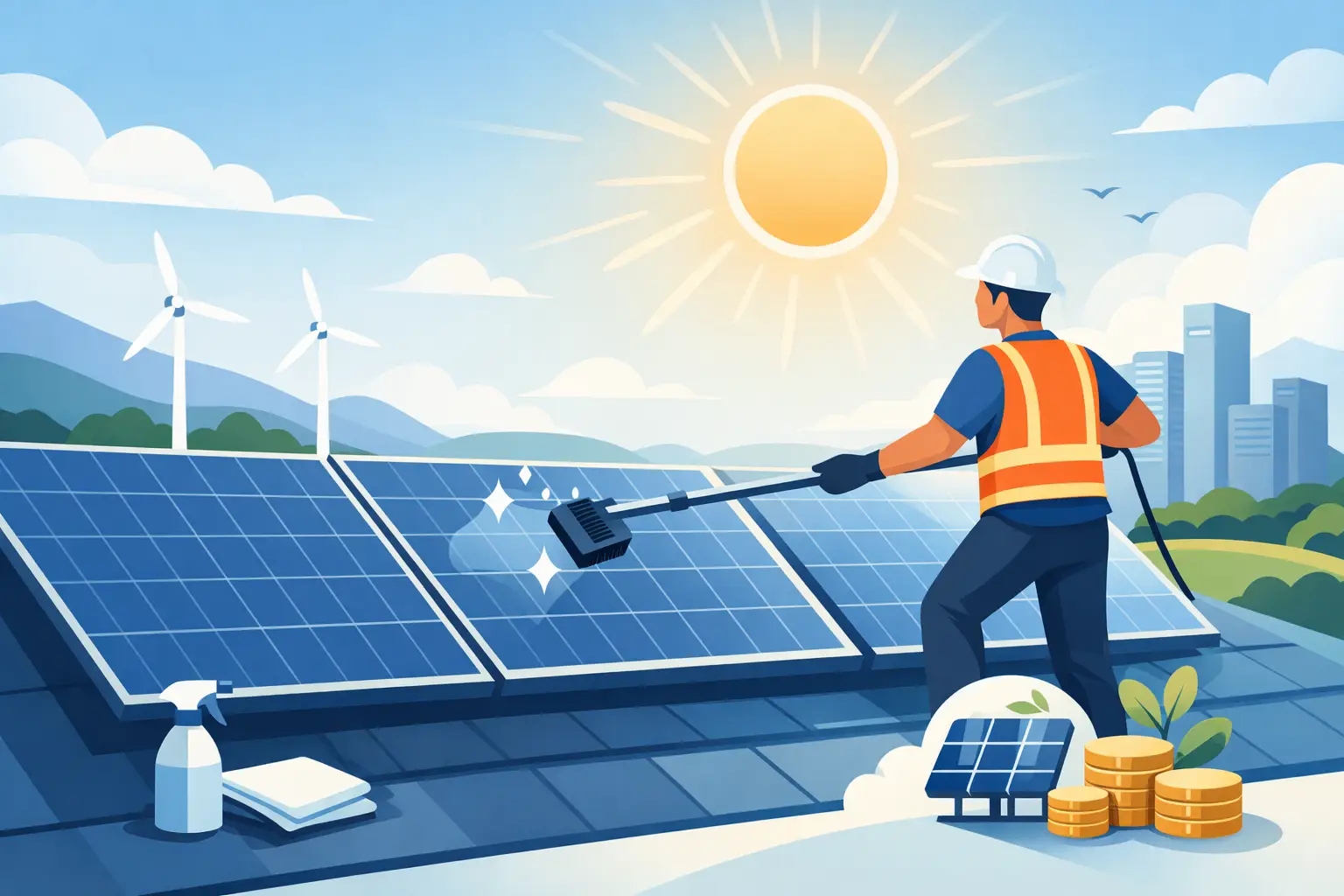
Where panels are safely reachable from the ground, clean them in the early morning or late afternoon when the glass is cool. Use clean water and a soft brush or sponge designed for solar panels. Avoid abrasive scourers, pressure washers, strong detergents and harsh chemicals. Do not spray cold water onto hot panels, as rapid temperature changes can place unnecessary stress on the glass.
Hard water can leave mineral residue, particularly in areas with high mineral content. If this is a concern, use filtered or demineralised water where practical. For a large system or roof-mounted array, professional cleaning is usually the safer and more efficient option.
Monitor performance, not just panel cleanliness
Clean panels are useful only if the system is converting sunlight into usable electricity as intended. Monitoring is often the most valuable maintenance tool because it can reveal issues that are not visible from the ground.
Review your system data monthly, or set alerts if your monitoring platform allows it. Look for a change that continues across several sunny days, rather than reacting to one low-output day. Generation can be affected by weather, temporary shading, grid events and household energy use patterns, so context matters.
A meaningful drop may point to shading, inverter faults, a tripped safety switch, communication issues or a problem affecting part of the array. If you have a battery, review its charging and discharging behaviour as well. A battery that is not charging as expected may be responding to settings, tariffs, household demand or solar production, rather than a fault. A qualified technician can assess the whole system and explain what the data is showing.
Check for new shade and physical changes
A solar design is based on the site conditions at installation. Those conditions can change. Trees grow, neighbouring buildings go up, and new antennas, vents or roof additions can cast shadows across panels.
Even partial shade can reduce output, especially during the middle of the day when a system would otherwise generate strongly. If a tree is the cause, discuss pruning with a qualified arborist and check local council requirements before work begins. Do not cut branches yourself near powerlines.
After severe storms, hail, high winds or nearby construction work, inspect the system visually from a safe position. Look for cracked glass, loose-looking panels, damaged cable conduit, water marks around the inverter or debris under the array. Most quality solar panels are designed for Australian conditions, but visible damage should be assessed promptly rather than left until the next routine service.
Give the inverter the attention it needs
While panels attract most of the attention, the inverter is the component doing the day-to-day conversion of solar energy into usable power. It may be installed outside, in a garage or on an external wall, and it needs sufficient airflow to manage heat.
Keep the space around it clear, remove cobwebs and dust from external vents without inserting anything into the unit, and make sure outdoor enclosures are not obstructed. Check the display or app for warning messages. A red fault light, repeated error code or inverter that has stopped generating should be reported to a licensed solar technician.
It is normal for an inverter to make a low operating sound during the day. What is not normal is a new persistent buzzing, burning smell, visible discolouration or water ingress. Switch off the system only if it is safe to do so and follow the shutdown procedure supplied with your installation. Then arrange professional support.
Schedule professional solar servicing
There is no single servicing interval for every system. A clean, easily monitored residential installation may need less frequent attention than a commercial site exposed to dust, salt or heavy energy demand. Warranty conditions, system age and site environment should guide the plan.
A professional service is especially worthwhile when output has changed, an inverter warning appears, you are preparing to sell a property, or the system has experienced severe weather. For businesses and industrial facilities, planned maintenance can reduce the risk of avoidable downtime and help maintain accurate performance reporting.
A qualified technician can inspect items that should not be handled by an owner, including electrical connections, isolators, earthing, mounting integrity, cable condition and inverter operation. They can also test whether generation is aligned with the system design and identify components that may require warranty support.
For a simple owner-led routine, focus on these four checks:
- Review generation data monthly and compare it with similar periods.
- Look for debris, bird droppings and new shading every few months.
- Keep the inverter area clean, clear and ventilated.
- Book qualified assistance for faults, physical damage or unexplained output drops.
Protect warranties and system value
Keep your installation documents, commissioning records, product warranties and service history in one accessible place. If a fault develops, these records help a technician confirm the system specification and streamline any warranty assessment.
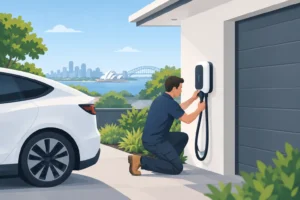
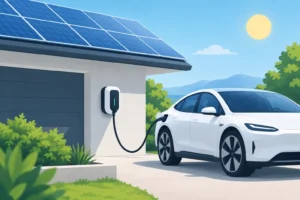
Avoid unqualified alterations to the array, inverter or switchboard. Adding panels, a battery, an EV charger or major electrical loads can affect how the system operates. A properly designed upgrade considers inverter capacity, export limits, network requirements and your changing energy use, rather than simply adding equipment.
For commercial and industrial sites, maintenance records also support asset planning. They provide useful evidence of system care, help track performance over time and make future expansion decisions more informed.
SAE Group can assist with solar system servicing and maintenance for homeowners, businesses and larger facilities that need clear advice on performance, faults or system upgrades. The most practical approach is always tailored to the site, the equipment and the energy outcome you want to achieve.
A well-maintained solar system does not demand constant attention. It rewards a few informed checks, safe cleaning where needed and timely professional support when the data or equipment signals that something has changed.