A high power bill is rarely caused by one appliance. More often, it is the result of heating or cooling running longer than necessary, hot water working inefficiently, standby loads adding up and an electricity tariff that no longer suits how you use energy. Knowing how to reduce power bills starts with identifying when you use electricity, not simply using less of it.
For Australian households, businesses and industrial sites, the strongest results usually come from a combination of energy efficiency, smarter timing and on-site solar generation. The right mix depends on your building, operating hours, electricity rates and future plans. A practical assessment turns broad savings goals into an investment plan that delivers measurable value.
Start with the loads that cost the most
Before replacing equipment or installing solar, look closely at your electricity bill and daily consumption pattern. Compare bills across seasons, check the tariff type and note any sharp increase in usage. For businesses, interval data can reveal whether costs are driven by daytime equipment, evening operations or short periods of high demand.
In most homes, heating and cooling, water heating, cooking, laundry and pool equipment are the major electricity users. In commercial facilities, HVAC, refrigeration, lighting, compressed air, process equipment and peak-demand events can have a significant impact. A small item left on standby will not usually explain a large bill, but many small loads can still add unnecessary base consumption over a year.
If your bill has risen unexpectedly, rule out simple causes first. Check for a faulty appliance, a hot water system running continuously, pool pump settings, changed occupancy, new equipment or an unusually hot or cold season. These checks can prevent you from spending on upgrades before addressing the actual source of the problem.
How to reduce power bills through smarter energy use
The lowest-cost savings often come from changing when and how equipment operates. This does not mean compromising comfort or productivity. It means matching energy use to the times it costs less or when your solar system is producing power.
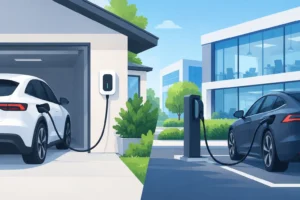
For households on time-of-use tariffs, shift flexible loads to lower-cost periods where possible. Run the dishwasher, washing machine and pool pump during daytime solar production or an off-peak window. Use timers and smart controls rather than relying on memory. If you have an electric vehicle, scheduled charging can make a substantial difference, particularly when charging is aligned with solar generation or a favourable overnight tariff.
For businesses, look for equipment that can be staggered rather than started all at once. This may reduce peak demand as well as total energy costs. Pre-cooling a building during solar-producing hours, scheduling battery charging carefully and managing refrigeration cycles are examples that may suit particular sites. The right approach depends on operational requirements, so changes should be tested without affecting safety, customer service or production.
Tariffs deserve just as much attention. A flat-rate plan can be simple, but it may not be the best value for a household that uses most electricity overnight or a business with pronounced peak loads. Conversely, a time-of-use tariff is not automatically cheaper if high consumption occurs during expensive evening periods. Review your retailer plan against actual usage data before switching.
Improve efficiency before adding more generation
Solar can reduce the cost of the electricity you buy from the grid, but an efficient building requires a smaller system to achieve the same outcome. It also makes solar and battery investment work harder over the long term.
Start with heating and cooling. Set air conditioners to sensible temperatures, clean filters and seal obvious draughts around doors and windows. Ceiling insulation, external shading and efficient window coverings can reduce the workload on HVAC equipment. In commercial buildings, regular servicing, correctly programmed controls and zoning can prevent conditioning empty areas or running systems outside operating hours.
Hot water is another priority. Older electric storage systems can be expensive to run, particularly if they heat at peak times. Heat pump hot water systems use far less electricity than conventional electric resistance systems in many applications, while solar hot water may suit some properties. The best option depends on available space, household demand, local climate and whether you want to use daytime solar production.
Lighting upgrades are usually straightforward. LED lighting uses less energy and lasts longer, but controls matter too. Motion sensors, daylight sensors and timers help avoid lighting vacant rooms, storerooms, car parks and amenities areas. For commercial sites, a lighting assessment should consider lux levels and safety requirements, not just wattage.
When replacing appliances or equipment, consider the whole-life cost rather than the purchase price alone. A cheaper unit that draws more electricity every day can cost more over its service life. Energy ratings, duty cycle, maintenance needs and expected operating hours all affect the return.
Use solar to turn daytime demand into savings
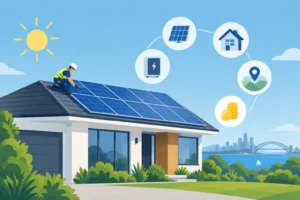
A well-designed solar power system allows you to generate electricity on site and use it as it is produced. This is particularly valuable because every kilowatt-hour used directly from solar can reduce the amount of electricity purchased from the grid.
System size should be based on your consumption profile, roof space, shading, tariff and likely future electricity use. A household planning to add a heat pump, electric vehicle or battery may need a different design from a household with low daytime occupancy. A business operating through daylight hours may have strong solar self-consumption, while a venue that trades mainly at night may benefit from a different mix of solar capacity, battery storage and load management.
Do not select a system based on panel count alone. Panel quality, inverter capacity, roof orientation, monitoring, electrical design and installer support all affect output and reliability. An oversized system can still be worthwhile in some cases, but only when export arrangements, future loads and project economics support it.
Eligible solar installations may access Small-scale Technology Certificates, which can reduce upfront costs. Incentives and feed-in tariffs vary by location, retailer and system type, so they should be treated as part of the financial picture rather than the sole reason to invest.
Consider battery storage when it matches your usage
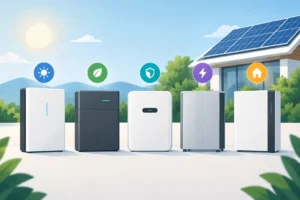
A solar battery stores excess daytime generation for use later, helping reduce grid purchases in the evening and providing greater control over energy use. For some customers, backup capability during outages is also a major benefit, although backup features depend on the battery, inverter and system design.
A battery is not automatically the fastest payback option for every property. If you use most solar energy during the day, a battery may add less immediate bill reduction than further efficiency upgrades or a carefully sized solar system. It can be more compelling where evening consumption is high, feed-in rates are low, electricity prices are rising or resilience is a priority.
For commercial and industrial customers, batteries may also assist with demand management and operational continuity. These projects require a detailed review of load data, site constraints, network requirements and commercial objectives. A tailored design is essential because the value of storage comes from how it is controlled, not merely its capacity.
Maintain your energy assets and track the result
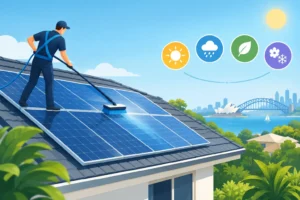
Savings can erode when equipment is not maintained. Clean solar panels only when conditions and soiling warrant it, but ensure the system is monitored for faults or underperformance. Inverters, batteries, switchboards and electrical connections should be inspected and serviced in line with manufacturer recommendations and applicable requirements.
Keep an eye on usage after making changes. Compare like-for-like billing periods, allowing for weather, occupancy and production changes. A lower bill is the goal, but consumption data explains why the result occurred and helps identify the next worthwhile improvement.
SAE Group designs solar, battery and energy solutions around the way Australian homes and businesses actually use power, with ongoing support to protect long-term performance. The most effective next step is a clear review of your bills, site and future energy needs. That turns the goal of lower power costs into a practical plan you can act on with confidence.