
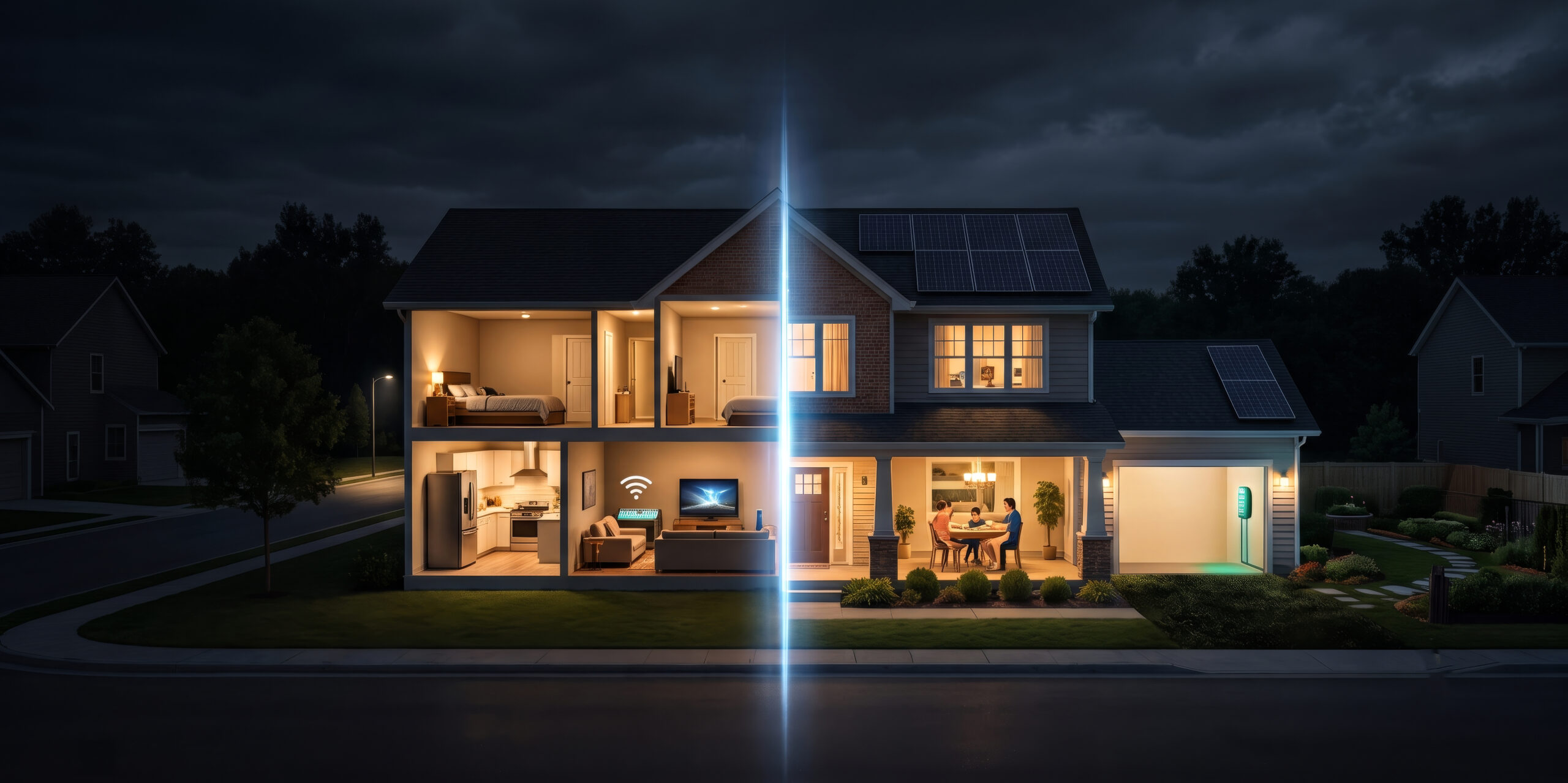
Full Home Backup vs Partial Home Backup:
Which Solar Battery Setup Is Right for You?
One of the biggest questions homeowners ask when investing in a solar battery is:
"Will it power my whole house during a blackout?"
The answer is... it depends.
Not every battery system is designed to back up your entire home, and for many households, that’s actually okay. Understanding the difference between full home backup and partial backup can help you choose a system that suits your lifestyle, your budget, and your expectations.
First Things First:
What is a Blackout?
A blackout is simply a loss of electricity from the grid. It might last a few seconds, a few hours, or in rare cases, several days.
Normally, when the grid goes down, a standard solar system also shuts down automatically. This is a safety feature that protects utility workers repairing power lines.
If you have a solar battery with backup capability, your home can continue running selected circuits – or even your entire home, depending on how the system is designed.
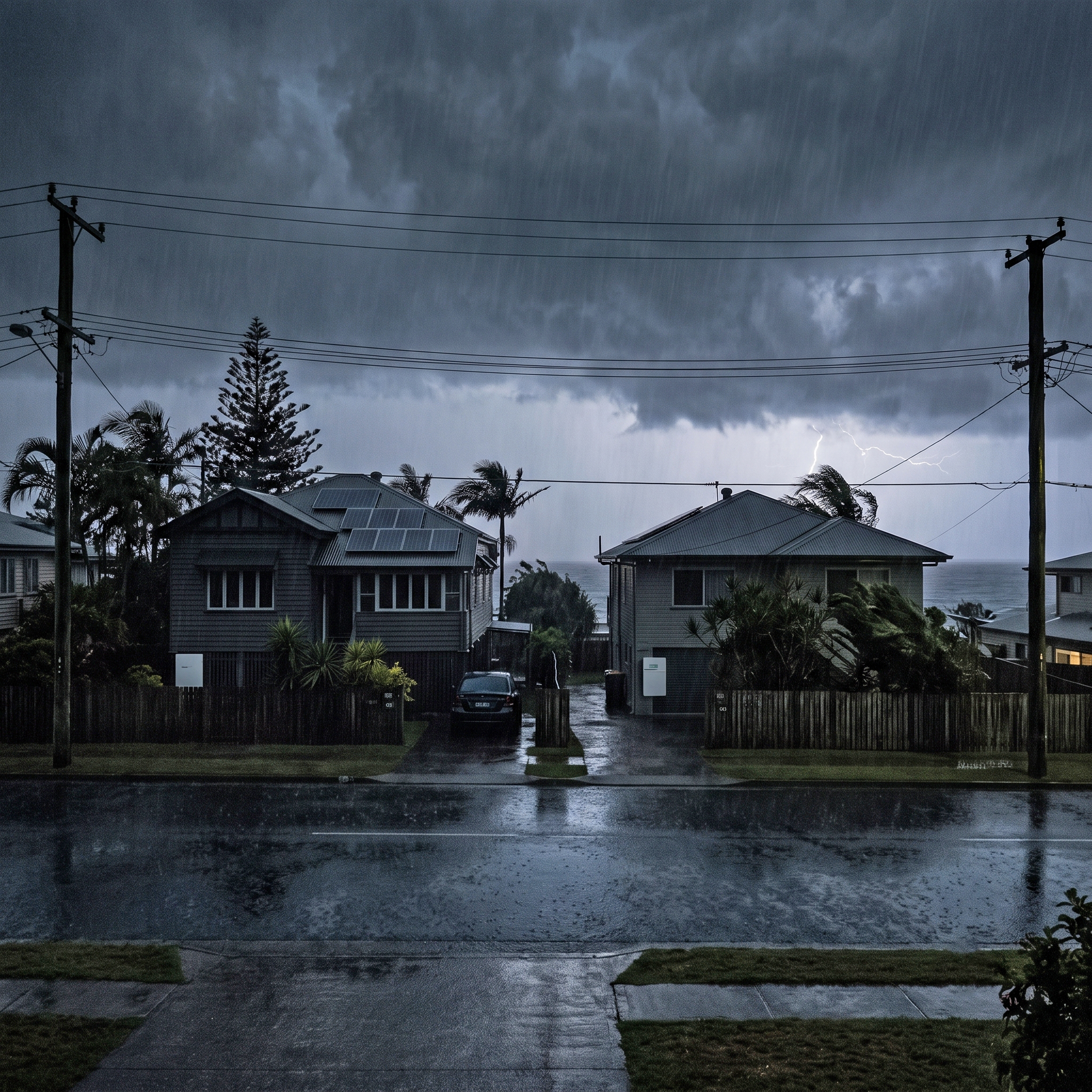
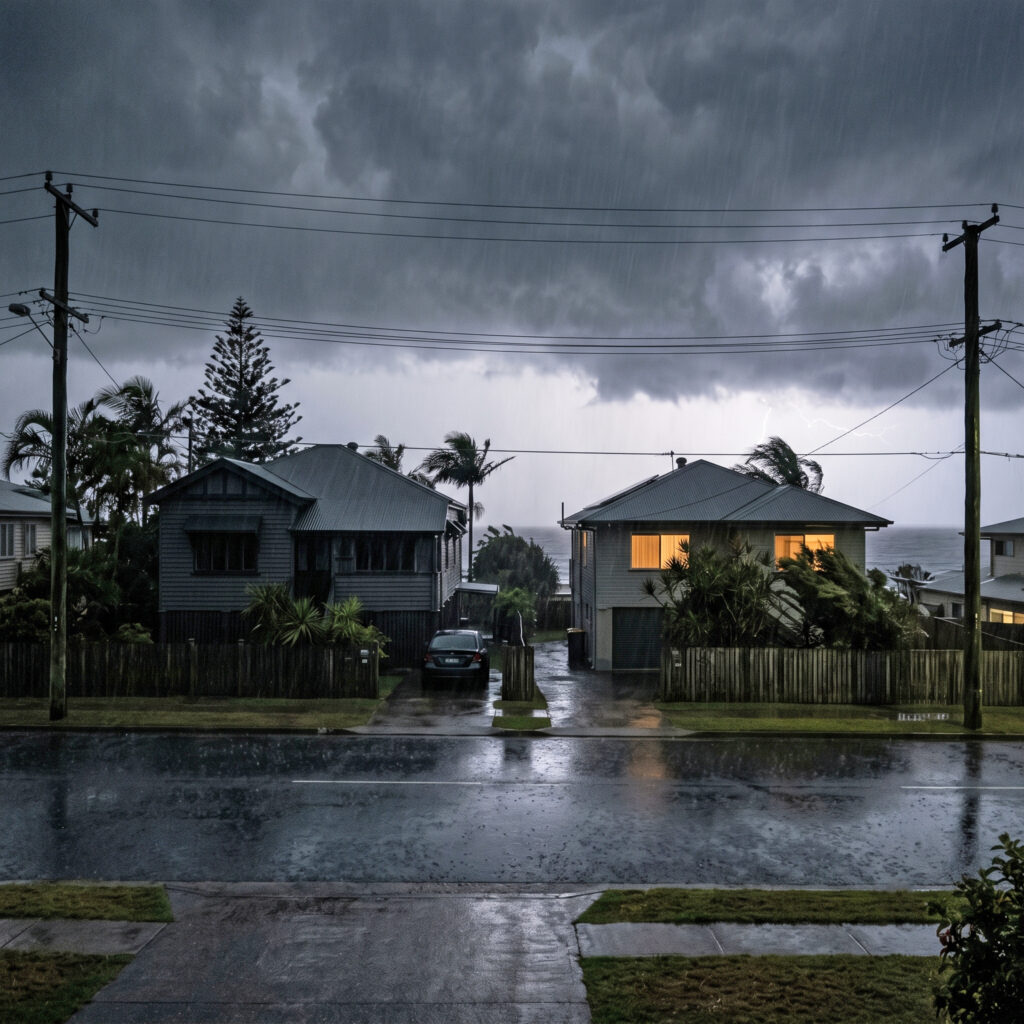
What is a Partial Home Backup?
Partial backup is exactly what it sounds like – the battery powers only the most important parts of your home during a blackout.
Typical backup circuits include:
- Lights
- Refrigerator and Freezer
- Internet Modem and Wi-Fi
- Television
- Phone Chargers
- Selected Power Points
- Garage Door
- Medical Equipment (if required)
These essentials usually consume relatively little electricity, allowing the battery to keep them running for much longer.
For many families, this provides everything they need to stay comfortable until the grid returns.
What is a Full Home Backup?
Full home backup allows the battery to supply power to virtually your entire home. That means you can continue using appliances such as:
- Air Conditioning
- Electric Oven
- Dishwasher
- Washing Machine
- Pool Equipment
- Most Power Outlets
- Lighting (throughout the home)
However, “full home backup” doesn’t mean you have unlimited power. Your battery still has a maximum output and a limited amount of stored energy. If several large appliances run at the same time, they may exceed what the battery can deliver.
For example, running the oven, ducted air conditioner, clothes dryer and kettle all at once may overload even a large battery system.
That’s why understanding how much power you use at one time is just as important as knowing how much energy the battery stores.
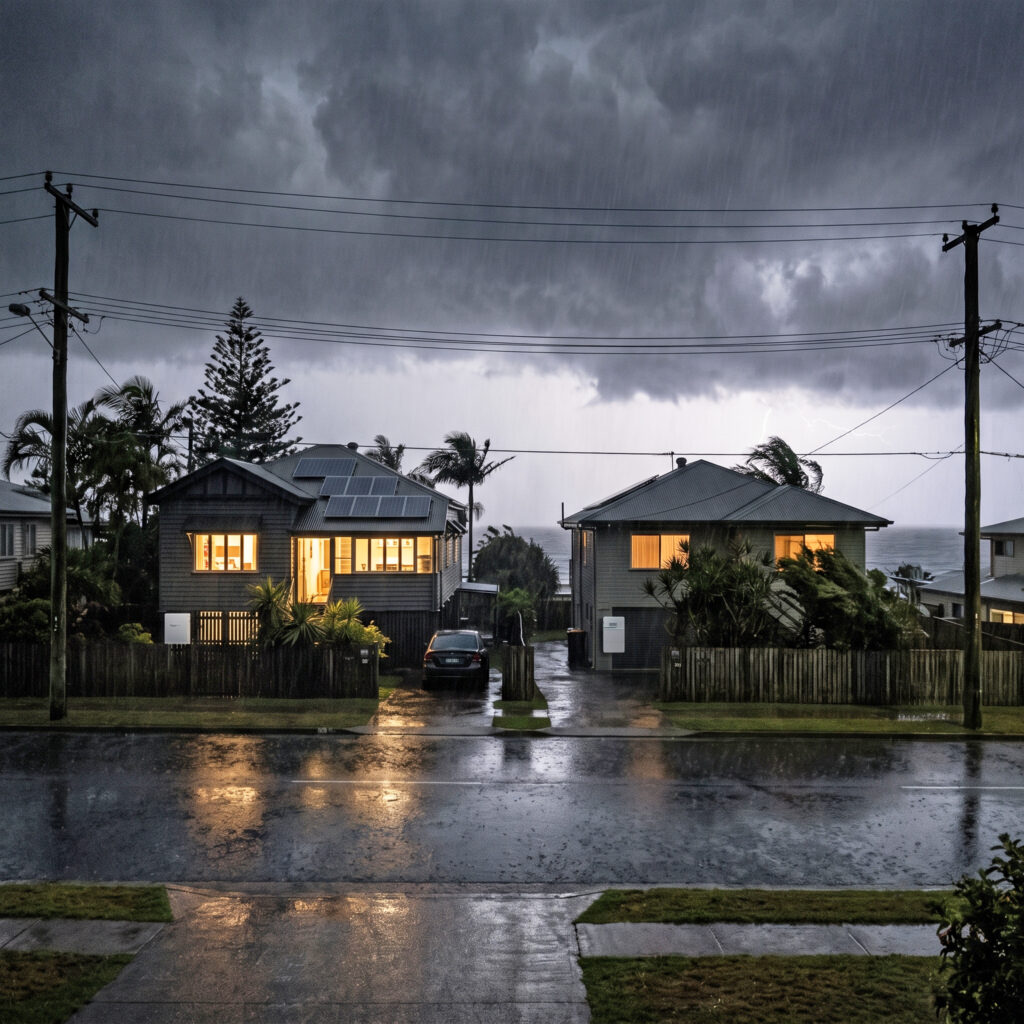
What Does EPS Mean?
You may hear installers talk about EPS, which stands for Emergency Power Supply.
Think of EPS as your battery’s backup mode.
When the grid fails, the battery automatically disconnects your home from the electricity network and begins supplying power to your chosen circuits. Most systems do this in just a few seconds, while some premium systems can switch almost instantly.
Without EPS (or a similar backup function), your battery simply stores energy for everyday use but won’t provide power during a blackout.
So if blackout protection is important to you, make sure you ask whether the battery includes backup capability and what that backup actually covers.
What is Black Start Capability?
Another term you may come across when comparing solar batteries is Black Start Capability.
While EPS (Emergency Power Supply) allows your battery to power your home during a blackout, Black Start refers to the battery’s ability to restart your solar system when the battery has been completely depleted.
Imagine there’s been a long overnight blackout and your battery has run out of stored energy before sunrise. Without Black Start capability, the battery may not have enough power to “wake up” the solar inverter once the sun comes up. In some systems, the grid must return before the battery and solar can begin operating again.
A battery with Black Start capability can use the first available energy from your solar panels to restart itself and the solar system, allowing it to begin charging again—even while the grid is still down.
In practical terms, this means:
- If the blackout continues into the next day, your solar panels can recharge your battery.
- You can continue powering essential appliances during extended outages, rather than waiting for the electricity network to be restored.
- Your home has greater energy resilience during prolonged power interruptions.
It’s worth noting that not every battery system offers Black Start capability, and some require a minimum amount of battery charge to maintain backup operation. If you’re buying a battery primarily for blackout protection—particularly if you live in an area prone to extended outages—it’s worth asking your installer whether the system supports Black Start and whether any additional equipment is required.
EPS vs Black Start: What's the Difference?
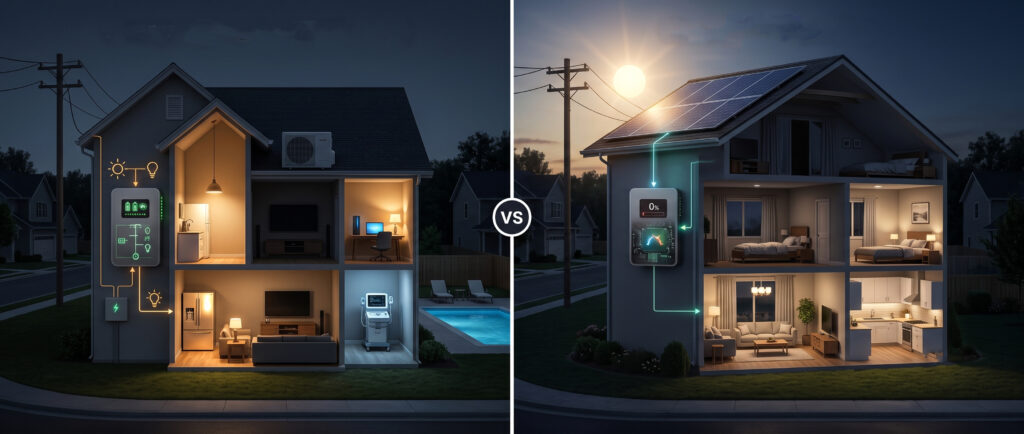
Although they’re closely related, EPS and Black Start perform different jobs.
- EPS (Emergency Power Supply)
Keeps your home powered when the grid goes down by supplying electricity from the battery to your selected backup circuits. - Black Start Capability
Allows the battery and solar system to restart themselves after the battery has been completely discharged, so solar charging can resume even if the grid is still unavailable.
Think of it this way:
- EPS helps you ride through a blackout.
- Black Start helps you recover from a long blackout.
Having both features gives you the greatest level of energy independence and peace of mind, particularly if outages in your area can last many hours or even several days.
Which Option is Right for You?
There isn't a one-size-fits-all answer.
Partial Backup May Be Perfect If You:
- Mainly want protection during occasional blackouts.
- Want to keep food cold and lights on.
- Work from home and need internet access.
- Want a more affordable installation.
- Don’t expect to run every appliance during an outage.
Full Home Backup May Suit You If You:
- Experience frequent or lengthy blackouts.
- Live in regional or rural areas.
- Have medical equipment that must remain powered.
- Want your home to operate almost normally during outages.
- Are prepared to invest in a larger battery system and more complex installation
Questions to Ask Yourself
- What appliances would I genuinely miss during a blackout?
- How often do blackouts occur where I live?
- Am I trying to save money on electricity, improve energy independence, or both?
- Would I be happy managing a few essential circuits, or do I want the whole home available?
- Do I plan to add an electric vehicle or other large electrical loads in the future?
Your answers will usually point you towards the right solution.
Remember: Bigger Isn't Always Better
Many people assume they need the largest battery available, but that’s not always the smartest investment.
A well-designed partial backup system can deliver excellent value, keeping your essential appliances running while costing significantly less than a full home backup setup.
On the other hand, if uninterrupted power is critical for your family or lifestyle, the extra investment in full home backup may be well worth it.
The Bottom Line:
The best battery isn’t necessarily the biggest one – it’s the one that matches the way you live.
If your priority is keeping the lights on, the fridge running and the internet connected during a blackout, a partial backup system may be all you need.
If you want your home to continue operating almost as if nothing happened, full home backup could be the better choice.
The key is understanding what you expect from your battery before you buy. A good installer will take the time to discuss your daily energy use, identify your essential appliances, and design a backup solution that fits both your lifestyle and your budget.
When you know the difference between partial backup, full home backup and EPS, you’ll be in a much better position to choose a battery system that suits your home and energy needs.
Ready to Find Your Perfect Backup Solution?
Navigating the world of solar batteries, EPS, and Black Start capabilities doesn’t have to be overwhelming. As mentioned in the guide above, the key to a reliable, cost-effective setup is working with an installer who genuinely understands your unique energy needs.
That’s where we come in.
Whether you are looking for an affordable partial backup to keep the essentials running, or a robust full-home system to ride out multi-day storms with total peace of mind, our expert team will design a custom solution that fits both your lifestyle and your budget.
Don’t wait for the grid to go down to wish you had backup power.
Contact SAE Group today to get started and take control of your home’s energy resilience.